I spent five years in regional airline operations, staring at turn times and ground crews in the freezing rain before transitioning into full-time travel writing. I’ve logged a decade of redeyes that left my joints feeling best zinc lozenges for travel like rusted hinges. If there is one thing I’ve learned between coordinating gate changes and spending half my life in seat 14A, it’s this: travel is a physiological assault. When you’re staring down 12-hour flight legs, you aren't just "flying"; you are participating in a controlled environment that is actively working against your circulatory system.
We’ve all dealt with "heavy calves travel"—that dragging, swollen sensation that turns a walk through customs into a slog. Everyone tells you to "stay hydrated," but very few people explain that cabin humidity on a long-haul jet often drops below 15%. Your body is essentially being freeze-dried at 35,000 feet. Here is how I navigate the 12-hour grind, keep my nervous system regulated, and actually walk off the plane feeling human.
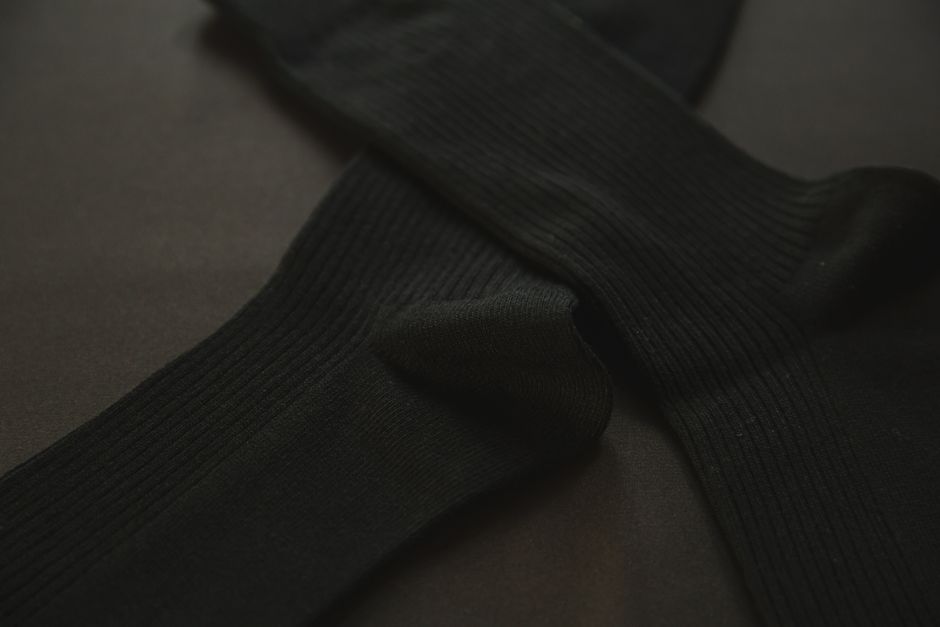
The Science of Compression: Why It’s Not Just Marketing
There is a lot of snake oil in the travel gear industry, but graduated compression socks aren't part of that list. If you look at research published by the NIH / NCBI (PubMed Central), the efficacy of compression in mitigating venous stasis is well-documented. When you sit for 12 hours, gravity pools blood in your lower extremities. Your calf muscles, which normally act as a pump to push blood back up toward your heart, are essentially decommissioned.
I’ve reviewed clinical data found in The Permanente Journal regarding the risks of deep vein thrombosis (DVT) in long-haul travelers, and the takeaway is clear: external pressure helps maintain venous return. I personally test all my gear on short, two-hour "milk runs" before trusting them on an international long-haul. If a pair of socks leaves deep welts or causes more discomfort than it solves, it doesn't make the cut for my zip-pouch "go-bag."
Recommended Compression Levels for Travel
Level Pressure (mmHg) Best Used For Mild 8-15 Short-haul, slight puffiness Moderate 15-20 Standard 12-hour flight legs Firm 20-30 Medical necessity (consult your doctor)Managing the Nervous System: The CBD Component
Travel is an exercise in nervous system dysregulation. From the anxiety of the security line to the low-frequency drone of the jet engines, your body is in a constant state of "low-grade fight or flight." I’ve moved away from the "scream into a pillow" method of stress management in favor of more precise tools.
I carry a sublingual CBD oil tincture in my carry-on. Specifically, I’ve been utilizing products from Joy Organics. When you are looking for CBD, you must—and I mean *must*—verify the third-party lab results / certificate of analysis (COA). If a brand isn't transparent about what is in the bottle, I don’t put it in my body. The sublingual dropper method is my preferred route because it bypasses the digestive tract, offering faster uptake than a gummy or capsule.
A note on TSA compliance: Remember that any liquid, gel, or oil must be in a container 3.4 ounces (100ml) or less. My CBD tincture sits right next to my eye drops and hand sanitizer in my dedicated zip-pouch. This pouch never leaves my bag. It’s the only way to ensure I’m not digging through my luggage while the cabin lights are dimmed.
The Melatonin Myth and Jet Lag Timing
If I hear one more "travel expert" suggest a 10mg melatonin gummy for sleep, I’m going to lose it. Melatonin is a signaling hormone, not a hammer. Flooding your system with a megadose is a great way to guarantee you’ll wake up groggy, dehydrated, and feeling like you were hit by a bus. In my experience, "stronger is better" is the biggest lie in the sleep-aid industry.
On a 12-hour flight, the goal is to shift your circadian rhythm *gradually*. If you are flying East, you want to nudge your internal clock forward. If you are flying West, you nudge it back. Relying on high-dose pills messes with your natural ability to regulate sleep once you land in a hotel. Use a low dose (0.5mg to 1mg) at the destination's "target bedtime" for the first two nights, and leave the heavy-duty pharmaceuticals at home.
Hydration: It’s More Than Just Water
Back to that "stay hydrated" advice. It’s useless because it ignores electrolytes. Drinking plain water in a 15% humidity environment often just leads to frequent trips to the cramped airplane lavatory, which disrupts whatever sleep you were trying to get. You need to retain that fluid.

I pack electrolyte powders that are high in sodium and magnesium. Magnesium, in particular, helps with muscle relaxation—which is a godsend for "heavy calves travel." I mix these into my water bottle *after* I clear security. Never bring the powder in a pre-mixed liquid state unless you want a very long conversation with a TSA agent.
My "Go-Bag" Philosophy
I keep everything essential in one zip-pouch. This isn't just about being organized; it’s about never leaving something behind in a hotel safe or a seatback pocket. Here is my standard kit for a long-haul flight:
- Graduated Compression Socks: 15-20 mmHg, tested on at least three prior flights. Sublingual CBD Tincture: With the COA readily available on my phone (don't rely on airport Wi-Fi to load your proof). Electrolyte Packets: Single-serving, no-sugar-added. Low-Dose Melatonin: 1mg or less. TSA-Compliant Liquids: All under 3.4oz.
Final Verdict on Long-Haul Comfort
Can compression socks make a 12-hour flight feel like sitting on your couch at home? No. Anyone who tells you that is selling you a fantasy. But they can prevent the "heavy calves" sensation that makes the first day of your trip a recovery day rather than a discovery day. Combined with proper electrolyte management, a regulated nervous system via verified CBD, and avoiding the "megadose" trap for sleep, you can walk off that plane feeling ready to move.
We spend https://bizzmarkblog.com/the-blackout-gap-blues-how-to-sleep-when-your-hotel-fails-you/ thousands on tickets and hotels; stop treating your body like an afterthought in the process. Keep it simple, keep your gear in one pouch, and for the love of travel, stop trusting advice that sounds like a headline from a wellness influencer who has never spent a night in a middle seat.