Choosing the right plants for low light rooms can be a little tricky, especially when you want to create a relaxing, vibrant space that feels alive without overwhelming your decor. Before diving into plant picks, let's walk through the basics of your room conditions, available sunlight, and the kind of maintenance required. This approach ensures your greenery thrives and brightens your low-light corners, complementing your room’s mood, layout, and lighting layers.
Understanding Your Room Conditions
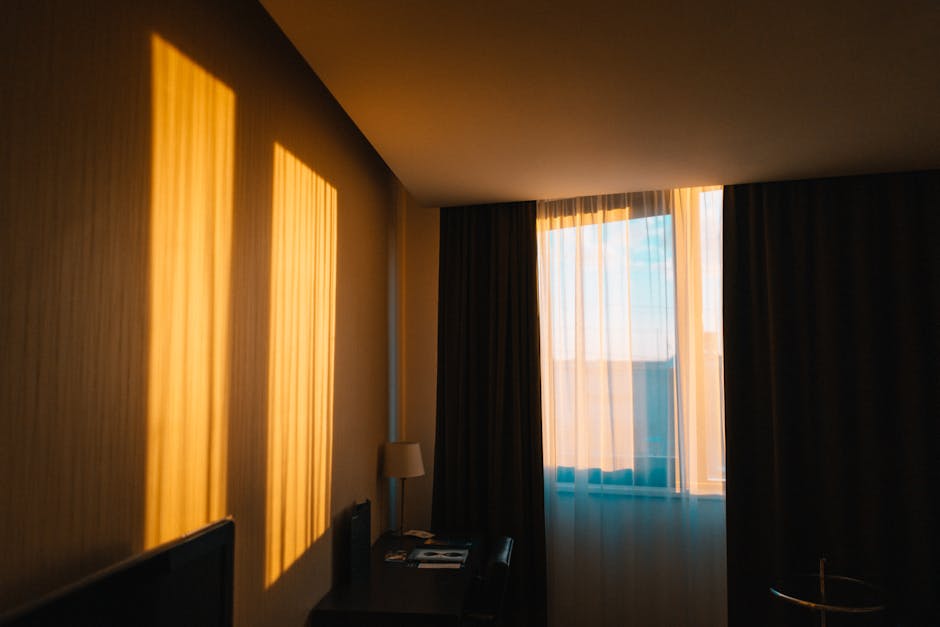
Start by observing your space carefully. Look at where the light naturally falls throughout the day, noting spots that barely get direct sunlight. Low light doesn’t mean no light—it usually means indirect or filtered light, such as a north-facing window or a room shadowed by surrounding buildings or tall trees.
Step 1: Walk Through the Room
- Identify where natural light enters and track its intensity and duration. Note the presence of any artificial lighting – ceiling lights, table lamps, or floor lamps. Observe how traffic flows through the room, considering if you’ll need plants in high-traffic areas or tucked away in cozy nooks.
Keep a running list of “where stuff piles up”—such as near entryways or beside seating areas—as these spots can double as small green relaxation zones or display areas for your plants.
The Role of Layered Lighting with Low Light Plants
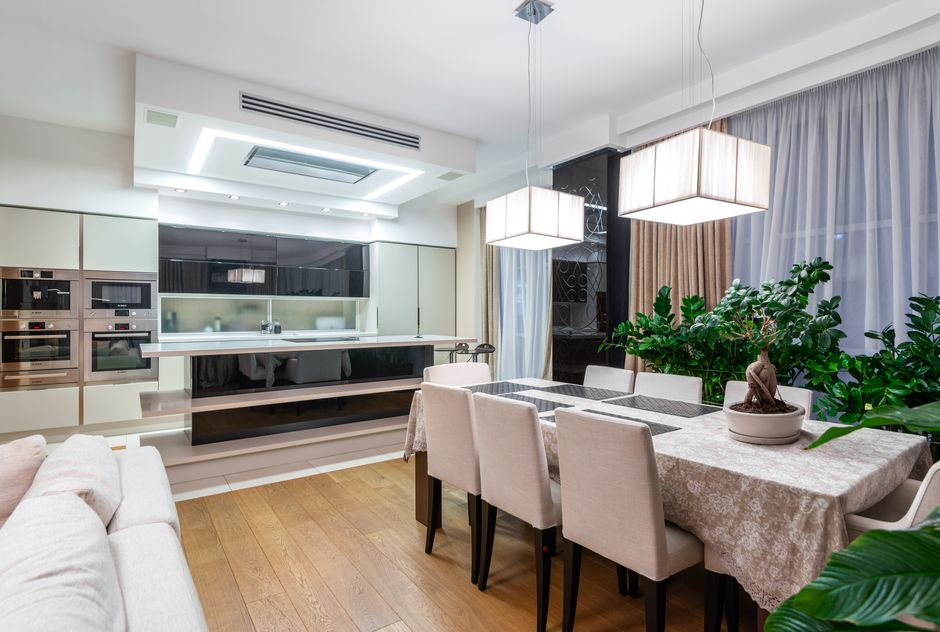
Because your room lacks strong natural light, integrating layered lighting is essential for your plants' health and your room’s ambiance. Think about a multi-pronged approach:
Ceiling Light: Use warm, dimmable ceiling lights to provide overall illumination without stressing your plants. Table Lamps: Position table lamps near darker corners with shade-loving plants, providing targeted light. Natural Light: Maximize whatever filtered or indirect sunlight you have by placing plants near windows—even north-facing ones can be surprisingly beneficial.Test your lighting setup in the evening when artificial lights are on, ensuring your plants get enough brightness without harsh glare. Remember, plants in low light generally prefer softer lighting that mimics shaded outdoor environments.
Choosing Plants for Low Light Rooms
Now let's discuss which plants thrive best under these conditions. paintlogs.com The perfect plant for your space should suit your room conditions, match your lifestyle in terms of maintenance required, and fit with your décor's mood. Here are some of the top picks :
Plant Light Requirement Maintenance Level Ideal Placement Snake Plant (Sansevieria) Low indirect light Low – water monthly Near a table lamp or corner ZZ Plant (Zamioculcas zamiifolia) Low to moderate indirect Low – drought tolerant Entryway or beside furniture Pothos (Epipremnum aureum) Low indirect to filtered light Low – weekly watering Hanging baskets or shelves near indirect light Philodendron Low indirect to filtered light Medium – keep soil moist Desk corner or living room side table Peace Lily (Spathiphyllum) Low indirect to moderate Medium – regular watering Small relaxation zones or beside seatingAdditional Tips:
- Use pots with drainage holes to avoid overwatering, a common issue with low-light plants. Rotate plants occasionally to encourage even growth because one side may face the ceiling light or lamp more than others. Group plants that thrive in similar light and moisture levels to streamline care.
Enhancing Your Space: Better Traffic Flow Through Furniture Placement
Plants don’t live in isolation—they interact with your furniture, lighting, and daily habits. When placing plants, think about how people move through your room.
- Create clear pathways: Avoid blocking doorways or walkways with large plants. Use plants to define zones: For example, a tall snake plant can subtly partition a reading nook from a relaxation zone. Layer heights: Mix floor plants with table plants and hanging baskets to keep the room visually balanced and dynamic.
Improved traffic flow not only prevents bumped pots but also encourages a sense of peace and intention—perfect for low light rooms that often serve as calm retreats.
Mood-Based Paint and Consistent Palettes to Complement Your Plants
The color scheme of your low light room greatly influences how plants pop and feel within the space. A layered, consistent palette can reinforce the mood you want:
- Soft, muted tones: Think gentle greens, warm beiges, or light greys that reflect minimal light without making the space feel gloomy. Mood paints: If you want a cozy vibe, consider warm taupe or deep blues or greens that can ground the room and make your plants stand out. Ceiling and trim: Bright white ceilings and trim paired with mood walls can help bounce whatever light you have available.
Before committing to paint, use sample pots and observe them against your plants in both natural and artificial lighting, especially ceiling lights and table lamps you plan to use.
Designating Small Relaxation Zones with Plants
One practical way to integrate plants in low light spaces is to create miniature relaxation zones – small corners or areas dedicated to unwinding, meditation, or even a quiet chat over a CBD gummy from trusted brands like Joy Organics.
- Add a comfy chair accented with a soft throw and a side table. Place a peace lily or philodendron nearby with a table lamp casting soft light. Keep a small selection of Joy Organics CBD gummies handy—THC-free or full-spectrum options provide calming effects that complement the plant-based serenity. Use natural textiles and calming colors to create a soothing atmosphere that works harmoniously with your plants and lighting.
Such zones not only improve your mental well-being but also encourage you to maintain your plants since these are spaces you frequently use.
Summing It Up: Practical Steps to Choose Plants for Low Light Rooms
Assess your room conditions thoroughly—note natural and artificial lighting and traffic flow. Layer your lighting using ceiling lights, table lamps, and available natural light to ensure your plants get enough light. Choose low-light tolerant plants based on your maintenance required capacity and aesthetic preferences. Avoid overcrowding; arrange furniture and plants to keep traffic flow smooth and create visual balance. Pick mood-based paint colors and consistent palettes that complement your plants and lighting situation. Create small, inviting relaxation zones where both plants and products like Joy Organics CBD gummies can enhance atmosphere and comfort. Test lighting at night to confirm aesthetics and practicality before finalizing your design.Final Thoughts
Choosing plants for low light rooms is about balance—balancing your space’s lighting, your lifestyle for maintenance, and integrating your greenery into thoughtfully designed zones. With the right mix of layered lighting, plant selection, and mindful room planning, even the darkest corners can become lush, calming sanctuaries.
Don’t forget that a bit of herbal calm from Joy Organics’ THC-free or full-spectrum CBD gummies can complement your green oasis, making your relaxation zones truly blissful.
Happy planting and relaxing!