When diving into a residential renovation, the temptation is to focus on aesthetics — fresh paint, stylish tiles, and new furniture. But as someone who’s spent over a decade translating building science into practical home advice, I can tell you: if comfort and healthy living don’t come first, all the design in the world won’t make your house feel like home. Planning your renovation with the right order of work means prioritising air quality, moisture control, and lighting before the finishing touches. This approach will help your home feel better, healthier, and more comfortable — even before the decorative elements are in place.
Start with What You Can Measure: Air Quality, Humidity, and Temperature
Before you swing a hammer, it’s worth taking some measurements. Use a hygrometer to track indoor humidity levels and note patterns of temperature and noise throughout the day. These simple tools reveal issues that you might not yet see but will soon cause discomfort, damp, or mould — problems that can be invisible until they become serious.
- Ideal indoor relative humidity is between 40% and 60%. Higher levels encourage mould growth and dust mites, while lower levels can cause dry skin and respiratory irritation. Monitor temperature fluctuations — large swings can indicate poor insulation or ventilation problems.
Air Quality and Ventilation: The Foundation of a Comfortable Home
One of the biggest mistakes in renovation planning is treating ventilation as an afterthought. Good air quality isn’t just a nice bonus; it’s a health essential. Moist indoor air laden with cooking smells, humidity from showers, and everyday pollutants needs a clear path out.
Why Moisture Control Must Be Up Front
Damp and mould might feel like cosmetic issues, but they represent serious health risks, including asthma, allergies, and respiratory infections. Fix moisture problems early in your renovation to prevent costly, unfixable damages later.
Start by ensuring your home has a robust ventilation strategy. This usually means installing extract fans in wet rooms — kitchens, bathrooms, and utility rooms. But be wary of common pitfalls:
- Fans that are too noisy: If fans are loud, tenants or family members will switch them off, negating their purpose. Choose models designed for quiet operation. Poorly placed fans: Fans must exhaust directly outside, not into lofts or crawl spaces where moisture can accumulate. Insufficient airflow: Fans should be powerful enough to clear moisture quickly; check rated air changes per hour for your room size.
Companies like Utology in Birkenhead offer furniture and accessories that homify.co integrate well with ventilation planning. For example, choosing cabinets that don't obstruct airflow allows extract fans to do their job effectively.
Layered Lighting on Separate Circuits: Comfort and Functionality
Lighting isn’t just for seeing — it’s a powerful mood and biological regulator. During your renovation, plan for layered lighting on separate circuits. This means having multiple sets of lights you can control independently, such as overhead ceiling lights, wall sconces, and task lighting.
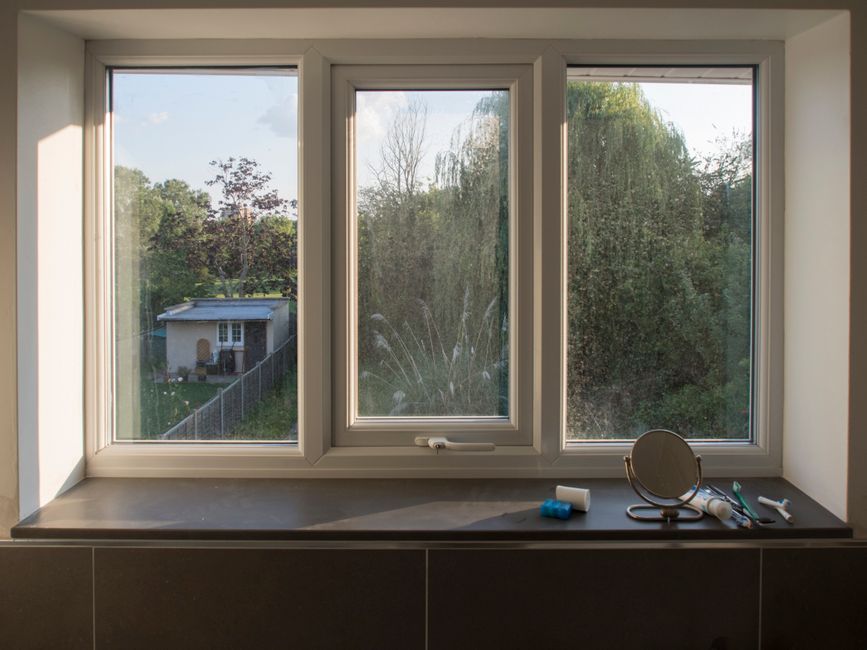
This setup supports both practical living and helps your body’s natural rhythms.
Circadian Lighting Timing
Human beings evolved with natural daylight cues: cool, blue-rich morning light that wakes us up and warm, yellow-red evening light that winds us down. You can replicate this in your home:

- Cooler light temperatures in the morning: Using higher colour temperature bulbs in areas where you start your day can boost alertness. Warmer lights in the evening: Dimmer, warmer lights help signal to your brain that it’s time to relax and prepare for sleep.
This attention to lighting goes beyond aesthetics and will make your home feel more comfortable and restful even during renovation stages.
Damp and Mould: The Invisible Threat
Too often, tenants or homeowners are unfairly blamed for mould caused by structural or ventilation failures. This ignores the root causes and delays real solutions.
During renovations, check for hidden damp sources such as leaking pipes, poor damp proof courses, or condensation traps. Early fixes might include:
Improving ventilation with quiet, well-placed extract fans. Installing vapour barriers or breathable membranes behind walls or under flooring. Replacing damaged or missing damp proof courses.Unique Tiles in Crewkerne, known for their high-quality tile, stone, and worktops, can also supply materials designed to resist moisture and be easy to clean — invaluable in wet rooms.
Common Ventilation Installation Mistakes to Avoid
When planning your renovation’s ventilation phase, keep a lookout for these frequent errors:
Mistake Why It’s a Problem How to Avoid Extract fans venting indoors (e.g., into loft) Traps moisture inside building structure, causes hidden damp Ensure fans exhaust directly outside with proper ducting Fans too noisy to use Occupants turn fans off, negating ventilation benefits Choose low-noise models in your ventilation plan Using one central extractor for multiple rooms Inefficient moisture removal, cross-contamination of odours Install dedicated fans for kitchens, bathrooms, utility rooms Ignoring ventilation needs when installing furniture or tiling Obstructed airflow and improper moisture control Work with suppliers like Utology and Unique Tiles to coordinate design with ventilationSmall Fixes That Actually Work: Your Renovation Checklist
While working through your renovation, keep this running list of manageable fixes that will make a huge comfort difference — even before everything looks polished:
- Install quiet, purpose-placed extract fans in all wet rooms. Use layered lighting on separate circuits with circadian-friendly bulbs. Seal gaps and draughts to stabilise temperature and reduce noise. Choose moisture-resistant finishes and surfaces in kitchens and bathrooms. Measure and monitor humidity regularly, especially during cooler months. Plan furniture layouts with airflow in mind, avoiding blocking vents or fans.
In Summary: Comfort First, Then Style
Planning a renovation that feels better long before it looks finished means putting comfort first:
Fix moisture early — address damp and mould risks with proper ventilation and moisture barriers. Prioritise air quality with effective, quiet extract fans that actually get used. Invest in layered lighting that supports your body’s circadian rhythms. Choose finishes and furnishings that complement good airflow and moisture control, like those available from trusted suppliers such as Utology (5-Star Furniture & Accessories, Birkenhead) and Unique Tiles (14-Star Tile, Stone & Worktops, Crewkerne).When you plan your work in this order, the improvements you notice won’t be just surface-deep. Your renovated home will feel more comfortable, healthier, and truly welcoming — long before the final aesthetic touches go in.
Remember: showing care for what you can measure—humidity, temperature, noise—lets you track progress and avoid unwelcome surprises. Fixing the invisible problems early saves time, money, and heartache down the line.
Happy renovating!