Reflections and glare on your computer screen can instantly kill productivity and cause eye strain. Whether you're working from home, gaming, or managing online operations for places like mrq.com (an online casino example), a proper desk setup makes all the difference. In my 9 years as a showroom fitter, I’ve seen countless setups fail due to overlooked reflections and poor lighting.
Fortunately, avoiding window glare on monitor screens is mostly about smart measurement, layout, and lighting choices. This step-by-step guide will help you control reflections during daylight hours by assessing your space and equipment carefully before you even place your desk.
Why Is Reflection on Your Screen a Big Deal?
According to the Occupational Safety and Health Administration (OSHA), an ergonomic workstation isn’t just about comfort but preventing headaches, eye strain, and fatigue caused by improper lighting and glare. Not addressing reflections means you could be working harder just to see your screen clearly. That’s a productivity roadblock you can avoid by planning thoughtfully.
Step 1: Measure the Floor Space and Note Obstacles
Before buying a desk or moving furniture, you must measure your available floor space accurately. This is where my trusty tape measure, which I keep stashed in a desk drawer for casual measuring, comes in https://daisydustmaid.com/how-do-i-draw-a-simple-floor-plan-for-my-desk-and-chair/ handy.
Here’s what to do:
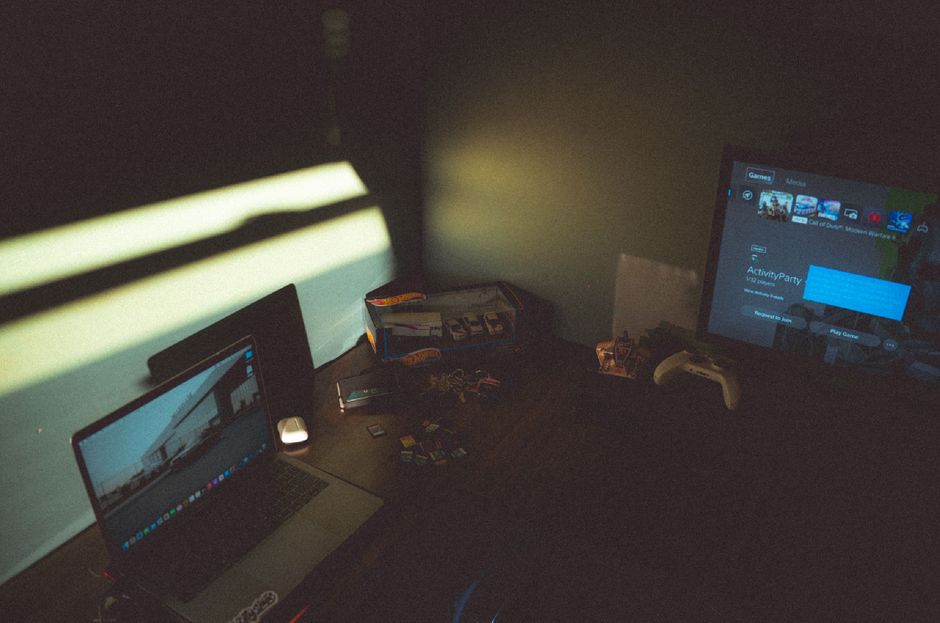
This sketch doesn’t have to be an architectural masterpiece. A basic layout showing walls, windows, door swings, and outlets is perfect. Remember, never block door swings with a desk corner—this is a pet peeve of mine and a common error I see in poorly planned spaces.
Why is Noting Door Swings Important?
A door swinging into your desk corner can block access or even damage your desk over time. Leaving clearance is part of a good layout and helps with safety regulations emphasized by OSHA.
Step 2: Choose the Right Desk Size for Your Equipment and Activity
One of the worst mistakes I see is buying a huge desk just because it "looks cool"—only to find there’s no room to move or place lighting to avoid reflection. Your desk size should be a functional match for your activities and your monitor's real dimensions.
Activity Type Recommended Desk Width Recommended Desk Depth Notes Basic Computer Work / Office 48" - 60" (121 - 152 cm) 24" - 30" (61 - 76 cm) Fits monitor, keyboard, mouse, and small desk lamp. Creative Work / Multimonitor Setup 60" - 72" (152 - 183 cm) 30" - 36" (76 - 91 cm) More room for additional monitors and equipment. Gaming / Streaming / Workstation 66" - 80" (168 - 203 cm) 30" - 36" (76 - 91 cm) Accommodates wider monitors, consoles, lighting setups.Use your simple floor plan https://annamaid.com/is-osha-a-good-reference-for-home-desk-ergonomics/ sketch to test whether these sizes fit comfortably in your room without hitting other furniture or blocking pathways.
Check Your Monitor’s Actual Width and Height
Don’t just trust the advertised screen size diagonally. A 27-inch monitor might be about 24 inches wide and 14 inches tall. You need to know these real-world measurements to position the screen away from reflective surfaces or adjust the desk to ensure lighting doesn’t create glare.
Step 3: Chair Clearance Is Make-or-Break
Let me share a critical and often overlooked point: chair pull-back space. It’s not enough to fit the desk flat against the wall. You need enough room behind the chair for comfortable sitting and moving.
The Occupational Safety and Health Administration (OSHA) recommends at least 30 inches (76 cm) clearance behind the chair if it pulls back to stand. I always tell clients to measure with their tape measure how far their chair extends when pulled out fully—not just horizontally but considering the door swings and space for walking around.
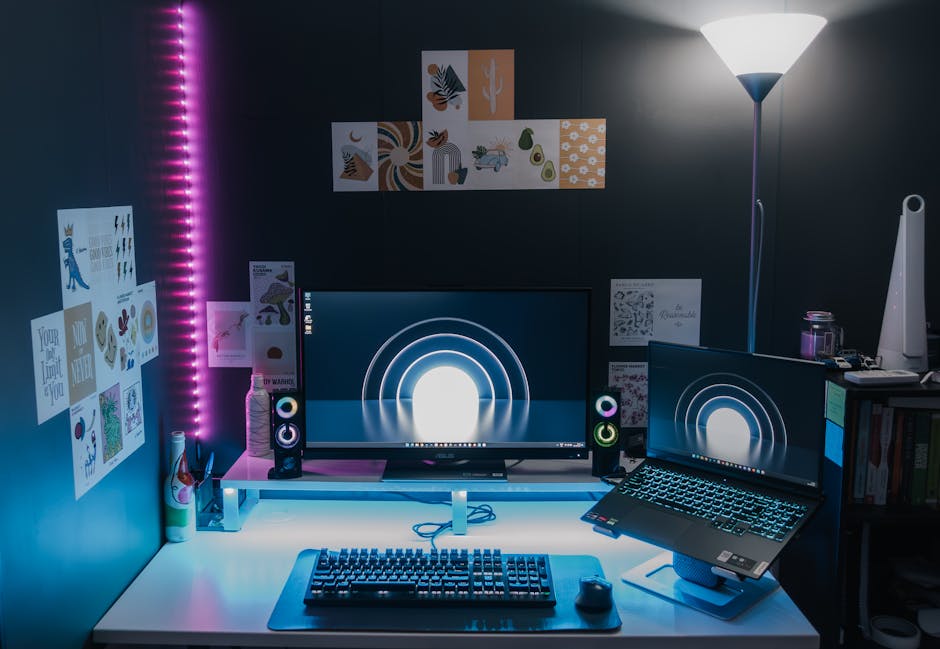
If you incorrectly squeeze chair clearance, you might find yourself constantly bumping into walls or accidentally changing your desk angle—causing reflections and distractions.
Step 4: Desk Placement Tips to Avoid Window Glare on Monitor
The positioning of your desk relative to windows is crucial in controlling reflections and glare.
- Never place your monitor directly in front of a bright window. The bright background can cause the screen to appear washed out and create reflections. Avoid placing your desk with the long edge parallel to a window. Side lighting can sometimes help, but direct sunlight can reflect off glossy screens. Place your desk so that windows are to either side, not directly behind or in front. This balances ambient natural light and reduces harsh reflections. Use adjustable blinds or curtains to diffuse sunlight during peak hours. Even light-blocking blinds can help control bright spots which cause screen glare.
Remember, your simple floor plan sketch should include approximate sun angles if you want to get advanced. Morning and afternoon glare differ based on window orientation.
The Role of Artificial Lighting for Desk Setup
Natural light alone is rarely controllable without external shading. This is where lighting comes into play:
- Desk lamps with adjustable arms can help illuminate your workspace without adding glare to your monitor. Soft, indirect overhead lighting reduces contrast between the screen and your surroundings, easing eye strain. Avoid placing strong light sources directly opposite your monitor. This causes reflections and reflections you’re trying to avoid.
Summary Checklist: How to Stop Reflections on Your Screen During the Day
Measure your floor space and note obstacles; create a simple floor plan sketch including door swings and window placement. Choose a desk size that fits your equipment and leaves room for movement; balance width and depth with your actual monitor size. Ensure sufficient chair clearance behind the desk – at least 30 inches to prevent crowding. Position your desk to avoid direct sunlight facing or behind your screen; keep windows to the side if possible. Use adjustable blinds or curtains to control natural light. Incorporate soft, indirect lighting and avoid light sources that create reflections on the screen.I always recommend keeping a tape measure in your drawer even after setup. Things settle, furniture moves, and reflections can start again if your space changes.
Final Thoughts
Getting rid of screen reflections is part measurement, part layout, and part lighting choice. With careful planning and by following these desk placement tips, you can reduce glare and improve your entire workstation setup.
Whether you're running a busy online operation like mrq.com or just trying to stay productive at home, remember: your environment is your tool. OSHA guidelines and practical know-how go hand in hand. Trust me, taking time to measure, sketch, and plan saves frustration down the line and makes your workday much easier.