Listen, I’ve spent the better part of a decade in crawlspaces, under kitchen sinks in multi-unit buildings, and behind industrial ovens here in Southeastern Connecticut. Before we ever talk about baits, IGRs (Insect Growth Regulators), or any kind of chemical treatment, I have one question I ask every single homeowner: Where is the water coming from?
People love to blame "dirty houses" for a roach problem. Let me tell you—a roach doesn’t care if you swept the floor five minutes ago. If there is a drip under your sink, they are moving in. If you want to stop an infestation, you have to cut off the supply chain. You need to stop them from finding water.
The New England Reality: Who Are These Roaches?
In our neck of the woods, we’re mostly dealing with the German cockroach. These little guys are the ones that turn your kitchen into their personal condominium. They love tight spaces, warmth, and—you guessed it—moisture.
My Mental Map: The Top 5 Roach Hiding Spots
https://oliviamaids.com/roach-bait-vs-spray-what-do-we-actually-use-to-clear-an-infestation/If I walk into your home, I’m not looking at the center of the kitchen floor. I’m looking at the "Roach Hot Zones." Here is my mental map of where they hide:
Behind the Fridge Motor: It’s warm and there’s usually a condensation tray. Under the Dishwasher: The ultimate moisture trap. Inside Electrical Outlets/Wall Voids: They use your walls like a highway system. Behind Kitchen Cabinet Hinges: Especially those near a sink. Under the Microwave or Toaster: They love the crumbs and the residual heat.How Are They Getting Inside?
It’s not always about you leaving a door open. They are master hitchhikers. They come in via grocery bags, cardboard boxes (they *love* the glue in corrugated cardboard), and even used appliances from thrift stores or online marketplaces. Once inside, they exploit structural weaknesses: plumbing penetrations that weren't sealed properly and cracks along baseboards.
When you call Petrin's Pest Control, we don't just spray and pray. We look at these entry points. If you have a hole under your sink where the P-trap enters the wall, and it isn't sealed with copper mesh or silicone, you’re just inviting them to the party.
https://cleaneverycorner.com/stop-the-scuttle-the-quickest-ways-to-reduce-roach-hiding-spots-in-your-basement/Early Warning Signs: Don't Ignore the "Smear"
Don't wait until you see a roach scuttling across the counter at noon. That’s a sign of a massive population. Look for these subtle clues:
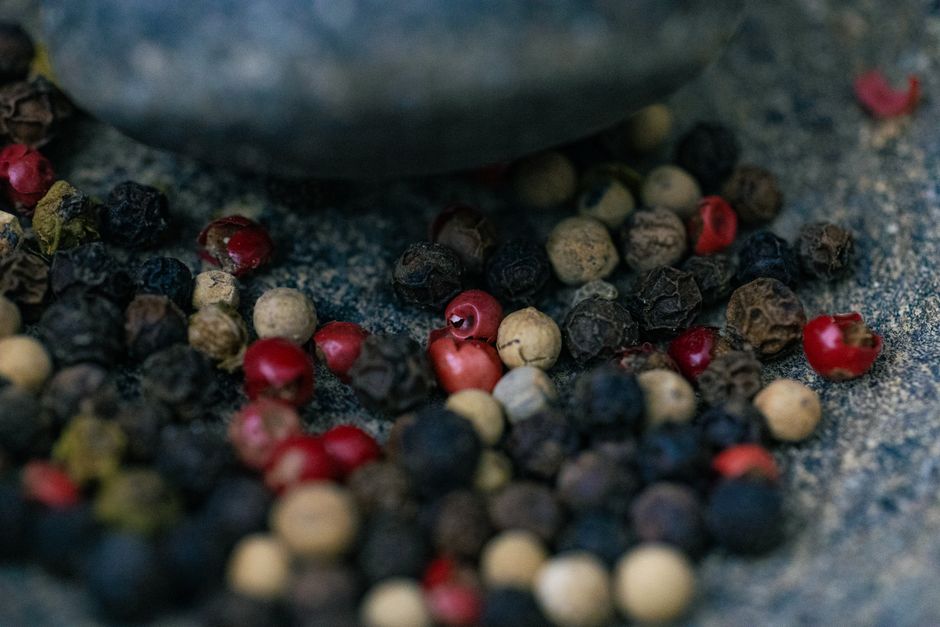
- Droppings: Look like black pepper or coffee grounds in drawers. Shed Skins (Exuviae): They molt as they grow; look for translucent, papery shells. Smear Marks: Roaches leave brownish, irregular streaks on walls or hinges. It’s their chemical signaling system. Odor: A distinct, oily, musty smell that lingers.
The "No-Water" Strategy: Taking Away Their Lifeblood
Roaches can survive for a month without food, but they die in a week without water. If you want them gone, follow this protocol:
1. Fix Faucet Leaks Immediately
That slow drip in your guest bathroom? That’s a roach oasis. Get a plumber or DIY it. A single leaking washer provides enough moisture for a colony to thrive.
2. Dry Sinks at Night
This is my #1 rule for clients. Before you go to bed, take a microfiber cloth and wipe your sinks, faucet heads, and drain stoppers completely dry. If you leave water sitting in the basin, you are leaving an "Open Bar" sign for pests.
3. Dehumidify the Basement
Basements are high-risk areas in Connecticut homes. Run a dehumidifier to keep relative humidity below 50%. If the air is dry, the roaches have to travel further for water, which exposes them to our baits.
4. Seal Your Pantry
I cannot stress this enough: Stop using open cereal bags. I walk into pantries all the time and see half-rolled bags held together by a paperclip. That is not a seal. Invest in hard-sided, airtight, BPA-free containers. Label them clearly. If they can’t smell the food, they focus on finding water—and if you’ve followed steps 1-3, they’ll realize your home isn't the place to be.
Health Risks and Indoor Air Quality
According to the National Pest Management Association (NPMA), cockroaches are more than just a nuisance; they are a serious health threat. Their droppings, saliva, and decomposing bodies contain allergens that can trigger asthma attacks, especially in children and the elderly. When those particles become airborne, they degrade your indoor air quality. Don’t settle for the "just keep it clean" advice. Get specific, get dry, and get professional help.
Communication Matters
I know how stressful a roach infestation is. You feel like you're losing your home. That’s why we value clear, fast communication. At Petrin's Pest Control, we use live chat and SMS powered by Avochato to ensure that when you have a question or notice a new spot, you can reach us instantly. No waiting on hold, no wondering if your email was read.
Action Item Frequency Goal Wipe sinks dry Every night Eliminate hydration source Check under sink/fridge Weekly Monitor for activity Run dehumidifier Continuous Reduce ambient moisture Seal food in containers Always Remove food source[Insert Graphic: A screenshot of our Google Reviews, showing a 5-star rating and a comment like: "They didn't just spray; they taught me how to stop the water issues!"]
Final Thoughts
There is no "magic spray" that solves a colony overnight. It takes a combination of structural repairs, moisture management, and targeted professional treatment. If a company tells you one spray will fix it, they’re lying to you. Be proactive. Be vigilant. And for heaven’s sake, dry your sink!
If you're in Southeastern Connecticut and you're tired of playing hide-and-seek with roaches, give us a call. We’ll help you find the source, fix the plumbing, and take back your kitchen.
