After eleven years working in bathroom showrooms across Sydney, I’ve seen thousands of vanity tops. Some look like apothecary displays, others like chaotic science experiments. But the ones that always catch my eye? The ones that are intentionally clear. There is a specific kind of calm that washes over you when you walk into a bathroom and see nothing but smooth stone, timber, or porcelain surfaces.
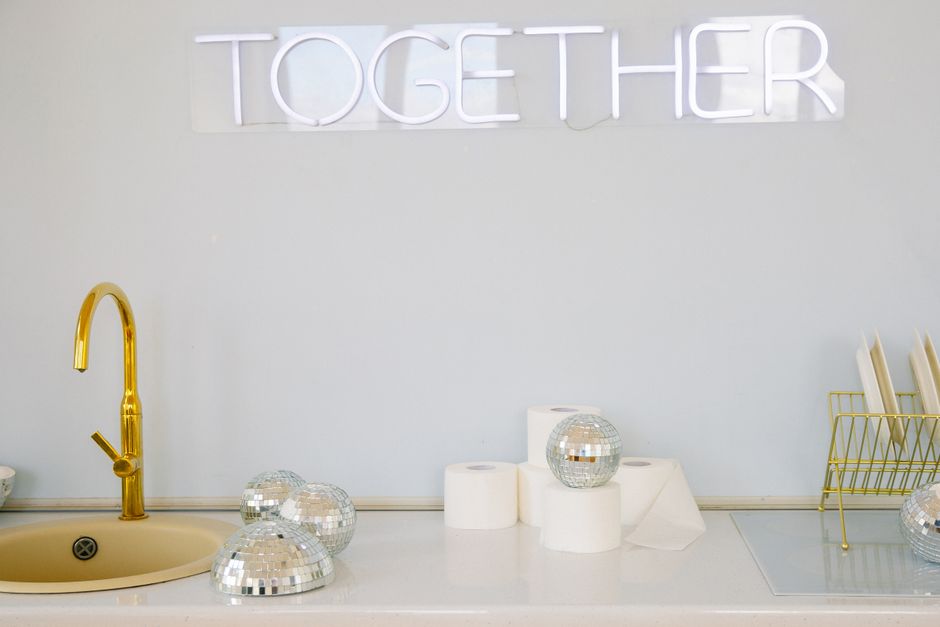
In the world of interior design, we often talk about the "luxury" of a space, but let’s drop the marketing fluff for a second. True luxury isn’t about gold-plated taps or marble sourced from a specific Italian quarry. True luxury is the absence of stress. It’s the ability to wake up, walk into your bathroom, and start your morning without having to dodge a dozen bottles of serums or a tangled mess of electrical cords. It is about reclaiming your daily ritual.
The Psychology of the Clear Counter
Our brain is hard-wired to notice visual noise. When your bathroom countertop is crowded, your brain subconsciously registers "unfinished tasks" every time you brush your teeth. It’s a low-level hum of anxiety before the day has even properly started. Conversely, a clean, minimalist bathroom creates a psychological "reset" button. It tells your nervous system that this space is for restoration, not for the mental inventory of products you rarely use.
If you want to achieve this, you don't necessarily need a full-scale renovation. You just need to change how you store and how you illuminate your space. Let’s look at the practical steps to getting your counter back.
1. The Lighting and Mirror Foundation
Before we talk about bins and baskets, we have to talk about lighting and mirror placement. As a consultant, I’ve seen people buy the most beautiful storage solutions only for their room to still feel cramped because of poor light. If your mirror is poorly lit, you will naturally gravitate toward bringing your products into the "light zone"—which is usually right where you are standing, on the countertop.
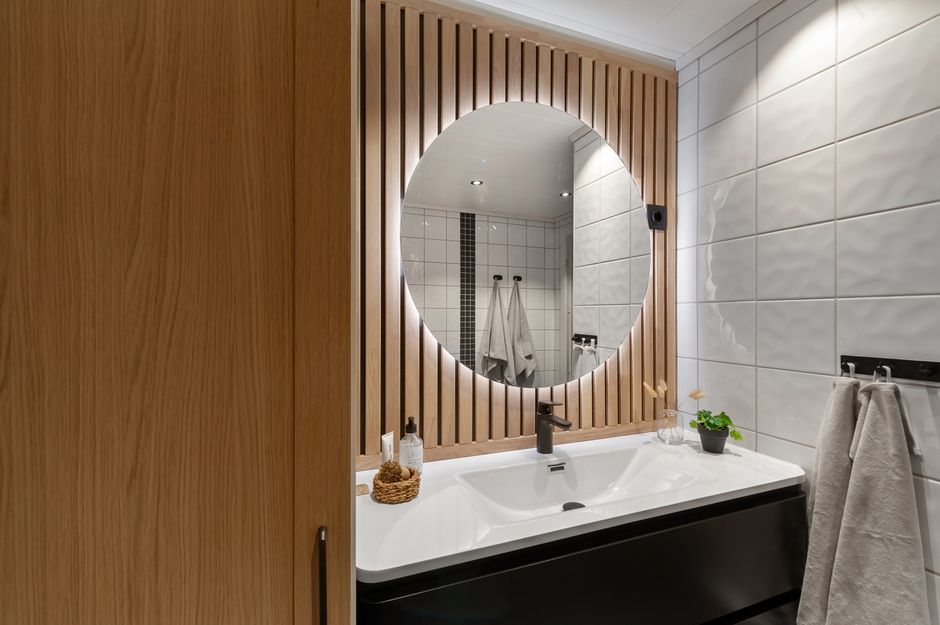
You need to ensure your face is lit, not just the room. Using high-quality LED mirrors, like those available at the LED Mirror World website, can actually reduce the need for bulky countertop accessories. When your mirror provides crisp, even task lighting, you can see exactly what you are doing. When you have better clarity, you reach for fewer products to Find more info "fix" your look, and you stop hoarding lighting-dependent clutter like magnifying mirrors or ring lights that sit permanently on your vanity.
The "Checklist" Approach to Lighting
- Ambient: The overall glow of the room. Keep it soft. Task: This is your mirror light. It needs to be bright enough to see, but not so harsh it creates shadows under your eyes. Accent: Small, decorative lighting that creates a mood.
2. My "Small Changes That Change the Whole Room" List
I keep a running list of tweaks that cost very little but shift the entire energy of a bathroom. You don't need a massive budget to transform your space; you just need to be ruthless about the "daily use" versus "occasional use" items.
The Tray Technique: If you must have items on the counter, keep them on a single, shallow tray. This creates a "container" for the clutter, making it look intentional rather than messy. Wall-Mounted Everything: Get the toothbrush holder and the soap dispenser off the counter. If you can mount them to the wall or the side of the vanity, do it. The "One-In, One-Out" Drawer Rule: If you have a drawer, it shouldn't be a junk drawer. If a new product comes in, an old, expired one goes out. Mirror Cabinet Upgrade: If you have a flat mirror, consider replacing it with a recessed mirrored cabinet. It’s the single best storage trick in the industry.3. Reality Check: Evaluating Your Storage
Often, clients ask me how to declutter, and I tell them: look at your storage, not your counter. If your vanity doesn't have drawers, you are forced to use the surface. If you aren't in a position to swap out the vanity, look at open shelving or under-sink organizers that actually work.
Here is a breakdown of common storage solutions and how they impact your mental "clutter load":
Solution Pros Cons Floating Shelves Keeps floors clear, adds vertical interest. Can look messy if overfilled; requires dusting. Recessed Mirror Cabinet Hidden storage, keeps items at eye level. Requires wall depth/installation skill. Drawer Dividers Keeps small items from rolling around. Need to be sized correctly for your drawer.4. The Danger of "Buzzword" Organization
I see a lot of content online using terms like "luxury-infused serenity zones" or "curated bathroom palettes." Ignore that. Marketing buzzwords are designed to sell you matching plastic containers that you don't actually need. If your bathroom looks like an Instagram ad but doesn't function for your actual height, your actual height of products, or your actual morning speed, it isn't "curated"—it’s just another form of clutter.
Focus on functionality. If a storage container is hard to open, you won't use it. If it’s hard to clean, it will become a dust-magnet. Before buying any organizational tool, ask yourself: *Does this make my morning faster, or does it make it slower?*
5. Managing Your Budget Reality
A common frustration I encounter when reading home design articles is the lack of transparent pricing. Many articles will Click here for info show a beautifully renovated space and list "suggested products" without ever mentioning that the total cost could fund a small holiday. I’ve deliberately avoided inventing prices here because every supplier and every installer in Australia has different rates, and pricing fluctuates constantly.
If you are looking for design inspiration or trying to track local trends, don’t rely on generic lifestyle blogs. Local resources like the Bendigo Advertiser, which often features local home profiles, can provide a much more realistic view of what your neighbours are actually doing in their homes. If you are browsing their archives, their subscription/login flow is straightforward, and the content is grounded in the reality of living in a regional Australian context—unlike some of the glossy, unattainable magazines that suggest marble vanities for every budget.
The Reset Process: A Step-by-Step Guide
Ready to clear the deck? Here is how I recommend you tackle your vanity this weekend.
Phase One: The Clear-Out
Empty every single drawer and cabinet. Yes, all of it. Wipe the inside of the drawers clean. Now, sort your items into three piles:
- Daily Ritual: Things you use every morning and evening (Toothbrush, cleanser, moisturiser). Weekly Ritual: Things you use once or twice a week (Exfoliator, hair mask). The "Maybe" Pile: Things you haven't touched in three months.
Phase Two: The Zoning
The "Daily Ritual" items go in the easiest-to-reach spot. Usually, that is the top drawer or the front of your medicine cabinet. The "Weekly Ritual" items can go in the lower drawers or deeper into the cabinet. Everything else in the "Maybe" pile? Pack it into a box and put it in your linen cupboard. If you don't reach for it in the next month, you don't need it. Donate it or bin it.
Phase Three: The Countertop Edit
Place your daily ritual items back. If you have five products, try to group them. Is there one item that stays on the counter? Let it be something beautiful, like a high-quality soap dispenser or a single succulent. Use imagery found on sites like Shutterstock to get a feel for what "minimalist" looks like to you—are you a wood-and-stone person, or a chrome-and-glass person? Keeping your accessories cohesive is the final step to making the space feel like a sanctuary.
Final Thoughts
A clutter-free bathroom isn't about being perfect; it’s about being purposeful. When you curate what sits on your vanity, you are choosing to prioritize your peace of mind over a collection of half-empty bottles. Start with your lighting—get that mirror situation sorted—and work your way down to the surface of the vanity. You’ll be surprised at how much lighter you feel when you step into that space tomorrow morning.
Remember: You don't need to renovate to reclaim your space. You just need to edit. And usually, the best part of the room is the space you leave empty.