Liquid roof coatings are becoming an increasingly popular choice for waterproofing flat roofs across the UK, especially in industrial settings like warehouses and distribution centres. But if you're planning a roofing programme with a liquid roof coating, understanding cure times under British weather conditions is crucial. It’s not just about slapping on the product and waiting; rain, temperature, and system type all affect how long it takes before your roof is fully protected.
In this article, we'll break down the key things you need to know—especially if you’re managing a commercial or industrial roofing project with companies like Nationwide Industrial Roofing, Hathaway Roofing, or CA Group. We’ll cover the practical differences between industrial and domestic roofing, explain the role of Kingspan composite panels, and why manufacturer-backed systems matter. Plus, we’ll highlight common pitfalls—like vague pricing—that often delay projects.
Understanding Liquid Roof Coatings and Their Cure Times
Liquid roof coatings are essentially liquid membranes applied to flat or low-slope roofs to create a seamless, waterproof barrier. These coatings might be polyurethane, silicone, or acrylic-based, each with specific cure times impacted by weather.
What Affects Liquid Roof Coating Cure Times?
- Temperature: Most systems need temperatures above 5°C to cure effectively. Humidity: High humidity can slow curing. Rain: Any precipitation during application or early cure phases ruins adhesion and performance. Product Type: Different manufacturer-backed systems cure at different rates.
So, the big question from someone who’s sat through roofing tender reviews: “What happens when it Look at more info rains on day two?” Many contractors dance around this, but it’s vital you get explicit answers before you commit.
Industrial vs Domestic Roofing: Why Cure Times Matter More for Warehouses
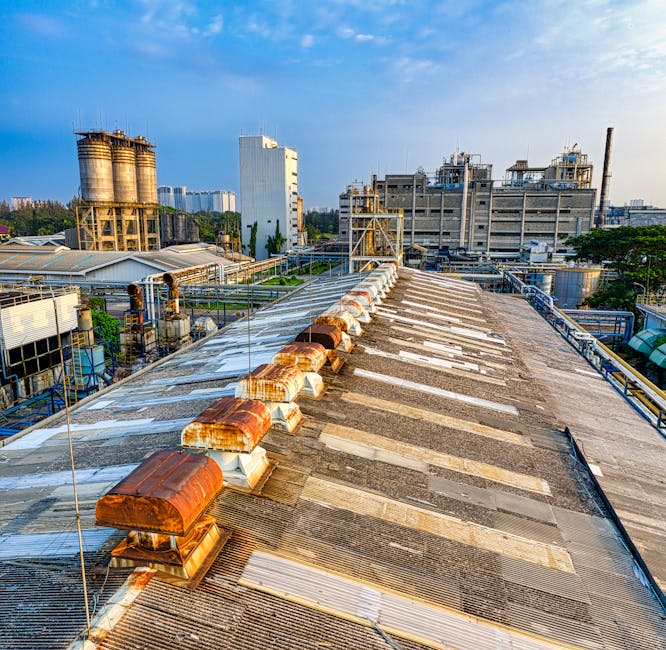
Domestic roofs typically use pitched tiles and are less sensitive to short-term weather changes because the roofing material isn’t liquid-applied. Industrial and commercial roofs, especially warehouses, are often flat or low-sloped and need specialised liquid systems for waterproofing.
- Industrial Roofing: Utilises larger surface areas, metal panels, and composite panels like Kingspan for thermal efficiency and structural strength. Domestic Roofing: Usually pitched and finished with tiles or slates, less reliant on liquid coatings.
The scale matters hugely: an industrial roof’s failure means business disruption, safety risks, and costly warehouse damage. Therefore, cure times and weather delays have bigger implications. With large warehouses often using built-up metal systems, waterproofing is not just a cosmetic upgrade; it’s critical infrastructure.
Warehouse Metal Roofing and Kingspan Composite Panels
Many warehouses in the UK rely on Kingspan composite panels for their roofing and cladding. These panels integrate insulation with metal facings, providing excellent thermal properties and durability. Liquid roof coatings are often the chosen method to seal joints and overlaps, ensuring a watertight finish.
Here’s why combining liquid coatings with Kingspan panels requires specialised systems and expertise:
- Thermal Movement: Metal expands and contracts with temperature changes, so coatings must remain flexible without cracking. Compatibility: Manufacturer-backed systems (like those CA Group makes and fits) ensure chemical compatibility, adhesion and longevity. Warranty Validity: Using certified systems with composite panels often means you get better warranty terms.
Flat Roof Waterproofing Systems and Manufacturer-Backed Built-Up Metal Systems
Flat roofs can be waterproofed using either single-layer liquid coatings or multi-layer built-up systems. The latter involve multiple coats with reinforcements like fleece or mesh between layers. Manufacturer-backed systems are crucial here. For example, CA Group not only manufactures but also installs complete built-up metal roofing systems in the UK, offering a tailored approach that aligns with Kingspan’s roofing panels.
System Type Typical Cure Time Weather Sensitivity Suitability Single-layer Liquid Coating 24–48 hours (depending on conditions) High (no rain during curing) Small areas, minor repairs Built-Up Metal System (multilayer) 2–5 days, plus time between layers Moderate (requires dry weather but more tolerant of humidity) Large industrial roofs, new builds, major refurbishmentsWhat to Ask Before Booking Your Liquid Roofing Contractor
Armed with background knowledge, you now need to drill down on specifics during your tender process. Here are key questions to ask any roofing contractor—be it Nationwide Industrial Roofing, Hathaway Roofing, or CA Group—so you avoid nasty surprises. I keep a running list of “questions contractors dodge,” so watch out for vague answers.
What is your recommended cure time for the liquid roof coating in current UK weather conditions? Watch for vague replies like “best in class.” Insist they give estimated days and temperature/humidity ranges. What happens if it rains during the cure period, especially on day two?Contractors often gloss over this. You need a contingency plan—will they recoat, delay, or guarantee weatherproofing? Are you using manufacturer-backed systems? Confirm that the products and methods are backed by manufacturers like CA Group, and check warranties. Have you installed liquid coatings over metal composite panels like Kingspan? Experience matters. Roofing firms familiar with Kingspan understand thermal cycling and compatibility. Can you provide case studies with location and scope similar to our site?
Common Mistakes to Avoid in Your Liquid Roofing Project
Based on my experience coordinating multi-site roofing, two mistakes stand out:
- No allowance for weather delays: Scheduling a liquid roofing programme without factoring potential rain days leads to rushed jobs, poor curing, and callbacks. Skipping manufacturer-backed systems: Cheaper coatings not backed by product manufacturers often lack durability, causing rework and lost warranties.
Moral of the story: plan conservatively, insist on products with proven performance and guaranteed cure times, and never shy from explicit pricing.
Summary: Essential Takeaways for Your Liquid Roofing Project
- Liquid roof coatings cure slower in cool, humid, or rainy UK weather; ask contractors exactly how this affects the programme. Industrial roofing, especially flat warehouse metal roofs with Kingspan composite panels, demands flexible, compatible, manufacturer-backed coatings. Built-up metal roofing systems take longer to cure but offer more robust protection. Always get transparent pricing—vague “best in class” promises are a red flag. Confirm your chosen contractor (e.g., Nationwide Industrial Roofing, Hathaway Roofing, or CA Group) can provide relevant project experience and warranties.
By asking these tough questions upfront, you’ll avoid expensive surprises and ensure your liquid roof coating performs reliably long after the rain stops.