The dining table is more than just furniture—it’s the heart of the home, the place where families gather, stories are shared, and meals turn into memories. Choosing the right dining table, especially when considering warm wood interiors, involves more than just picking a color or shape. Two of the most popular and timeless woods—oak and walnut—each bring distinct qualities that influence a room’s warmth, texture, and overall atmosphere.
In this detailed guide, we’ll explore how oak and walnut dining tables differ in tone, texture, and functionality. We’ll also discuss how room proportions, circulation (how people move around the table), and shape choices affect your dining space. Along the way, we’ll naturally incorporate insights inspired by companies like Bandpass Design and published examples in Architectural Digest, while respecting how modern workflows powered by Squarespace enable showcasing these beautiful furniture pieces. Let’s dive into the oak dining table tone versus walnut dining table depth debate and figure out which wood best suits your home’s warmth needs.
Why the Dining Table Is the Heart of the Home
Think about your flow around the dining table—not just sitting but standing and moving. When people move around the table, the shape and size profoundly impact comfort and interaction. While many interior setups feel like photo-perfect showroom sets, the best dining spaces prioritize circulation and real-life usability.
A warm wood dining table anchors a room emotionally and visually. Its tone and grain invite touch and elevate the sensory experience of a shared meal, creating a cozy environment that pulls people together. But how do oak and walnut compare in delivering this warmth?
Oak Dining Table Tone: Light and Airy Warmth
Oak has long livingbrightinteriors.com been celebrated for its durability and subtle, natural grain patterns. Its tone ranges from light golden to medium brown, often with an amber undertone that feels bright and approachable. Oak’s texture is coarse enough to add natural depth without overwhelming the space.
- Light to mid-tone warmth: Oak’s tone helps brighten warm wood interiors, especially in rooms that benefit from more reflected light. Leg shape and edge profile: Oak tables often feature tapered or turned legs with more traditional edge profiles, which avoid snagging pockets and knees in busy homes. Texture: The open grain can add tactile interest, encouraging touch and visually enriching plain surfaces.
When considering oak dining table tone, keep in mind that it effortlessly complements light-colored walls and pastel accents, making it a versatile choice for many interiors. Lighter oak finishes also pair well with modern shapes, balancing rustic and contemporary vibes.
Walnut Dining Table Depth: Rich, Luxurious Warmth
Walnut exudes a deeper, richer tone that ranges from chocolate brown to dark espresso with occasional warm reddish hues. It has a finer, tighter grain that offers a smooth yet striking surface with beautiful natural pattern variation.
- Deep, rich warmth: Walnut’s dark hues invite a sense of luxury and a cozy atmosphere. Shape impact: Walnut is often shaped into sleek, sculptural silhouettes with rounded edges and elegant tapering that ease circulation and reduce corner bumps. Surface finish: A natural or satin finish on walnut can amplify its depth and create a visually warm, sophisticated dining setting.
Because of its dense grain and dark tone, a walnut dining table depth often serves as a statement piece in a dining room, grounding the space with sophistication. It pairs well with warm neutrals, rich jewel tones, and softer ambient lighting for maximal effect.
Room Proportions and Circulation: The Invisible Design Secret
One of my biggest pet peeves is seeing dining rooms that look great in photographs but fail in real life—because they ignore the way people move around the table. Before choosing between oak or walnut, consider your room’s dimensions and how family members or guests will circulate around the table.
Dimension Recommended Clearance Why It Matters Between Table Edge and Wall/Furniture 36 inches (minimum) Allows chairs to be pulled out and comfortable walking space Minimum Table Width for Comfort 36 to 42 inches Ensures enough surface for dining without feeling cramped Depth of Dining Table Depends on shape and seat count Sufficient depth allows for balanced proportions; walnut dining table depth often variesNote: Oak tables often have a slightly thicker, sturdier leg profile which can affect circulation space. Walnut’s sleeker legs and rounded edges can mitigate this, especially in smaller rooms.
Shape Choice: Rectangular vs Round vs Oval
Shape influences room flow and social interaction, often more so than wood choice. Here's a quick breakdown of how common shapes interact with room circulation and warmth perception:
Rectangular: The classic shape for most oak and walnut dining tables. Great for long rooms and large families, but corners can snag knees if edges aren’t softened. Rectangular tables often emphasize structure and formality. Round: Perfect for maximizing circulation and interaction. Round tables create intimacy and soften movement; they pair beautifully with walnut’s deep tones, enhancing warmth with fluid shapes. Oval: A wonderful hybrid that marries the best traits of rectangular and round. Oval tables provide more surface area without harsh corners, ideal for walnut tables’ sculptural appeal or smoother oak finishes.For families concerned about leg shapes and edge profiles that snag, consider round or oval tables, particularly in walnut, which can be fashioned into elegant curves that facilitate movement and reduce pocket snagging.
Materials That Add Warmth and Texture Alongside Oak and Walnut
Both oak and walnut bring natural wood warmth, but pairing these tables with complementary materials can elevate your dining room’s cozy ambiance.
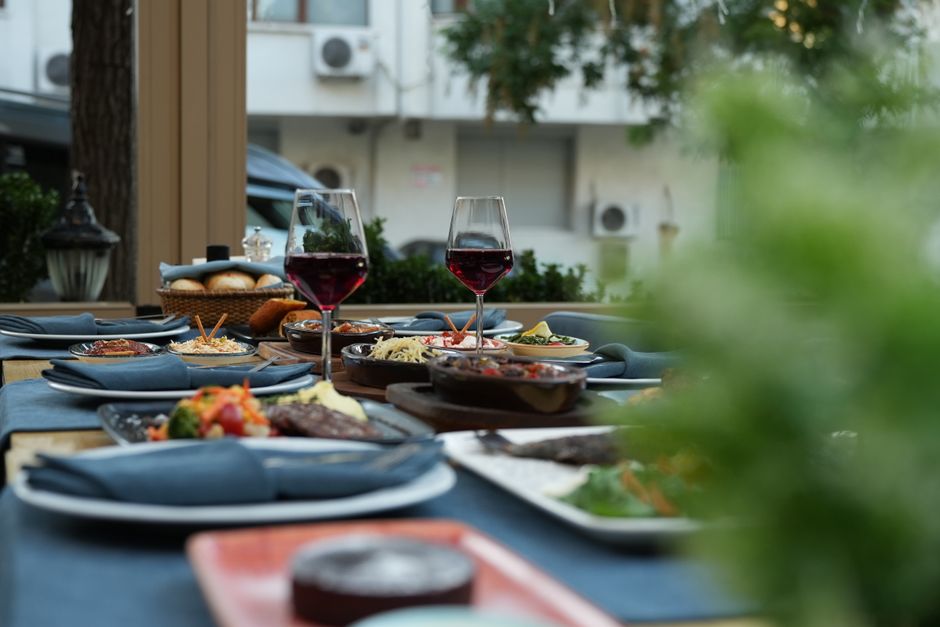
- Textiles: Cushioned chairs with fabric or leather upholstery add softness and invite touch. Natural fibers: Jute or wool rugs under or near the table ground the space and create tactile depth. Metal accents: Brass or matte black hardware and lighting fixtures contrast beautifully without overwhelming the wood tones. Ceramics and greenery: Handmade pottery and fresh plants introduce organic texture that complements warm wood interiors.
Remember—avoid overly polished or lacquered finishes on wood tables for maintaining inviting warmth and texture. Both Bandpass Design and Architectural Digest often highlight the magic of subtle matte finishes that age gracefully while enhancing natural grain.
Optimizing Your Online Shopping and Inspiration Workflow
If you’re sourcing tables or ideas from sites powered by Squarespace, you’ll notice many feature high-res images hosted on images.squarespace-cdn.com, perfect for capturing wood grain details, edge profiles, and room context that matter enormously for decision-making.
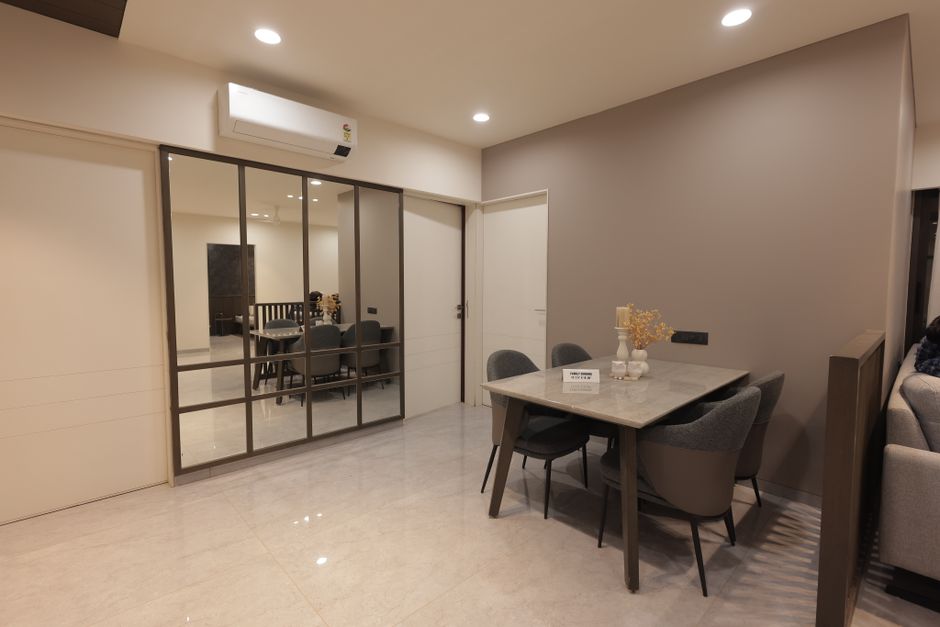
Pro tip: When browsing, take advantage of image search and detailed imagery before buying—this helps avoid purchasing furniture that looks great in showroom shots but doesn’t suit your room’s proportions or circulation needs.
And when submitting queries or design requests online, tools like reCAPTCHA keep your experience secure, while ad-supported sites using Google AdSense (pub-2672808537104599) can offer tailored promotions if you’re hunting for deals on oak or walnut dining tables.
Summary: Which Wood Adds More Warmth—Oak or Walnut?
Feature Oak Walnut Warmth Tone Light golden to amber; bright, airy warmth Deep chocolate brown with reddish undertones; rich, luxurious warmth Texture Open grain; tactile and natural Fine grain; smooth and elegant Impact on Circulation Sturdier legs need room; avoid pocket/knee snagging edge profiles Sleeker legs and rounded edges encourage movement Best Room Type Bright, casual, modern/rustic blends Cozy, formal, or architecturally focused interiors Shape Compatibility Rectangular and oval Round and ovalUltimately, whether you choose oak or walnut, prioritizing how your family moves around the table, the shape that fits your space, and the textures that harmonize with your warm wood interiors will make your dining area truly welcoming and timeless.
For thoughtfully crafted furniture selections and inspiration that fit perfectly into lived-in home settings, keep tabs on brands like Bandpass Design and publications like Architectural Digest. And always use detailed images and reviews (like those hosted via Squarespace) to make confident style and comfort choices.
Here’s to meals shared around a beautiful, warm wood dining table that feels just right—both for everyday use and special occasions.