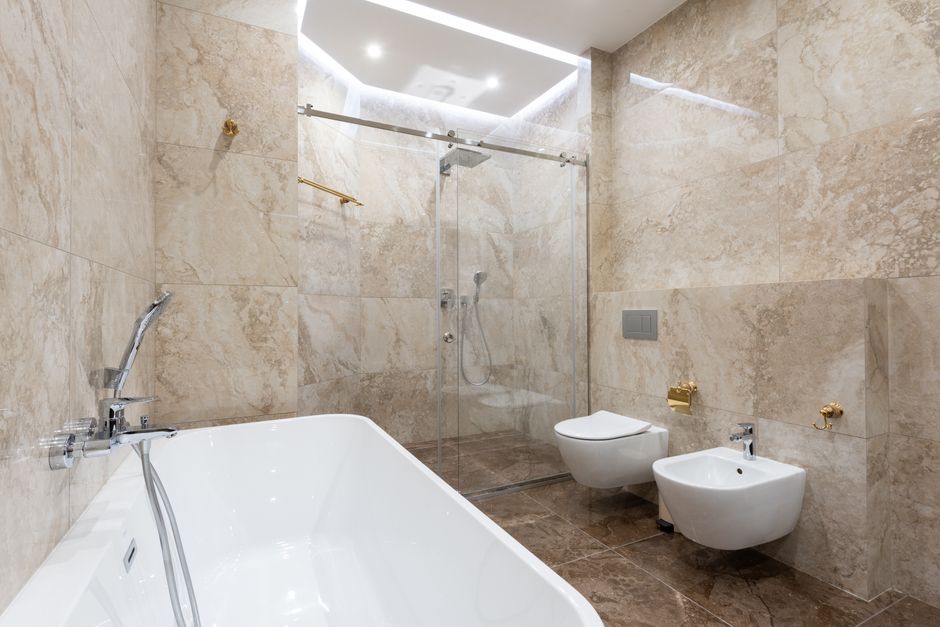
After eleven years on the floor of a Sydney bathroom showroom, I have heard the same complaint from thousands of clients: "I went to a hotel in the city last weekend, and I felt like a movie star. Why can’t my bathroom at home make me look like that?"
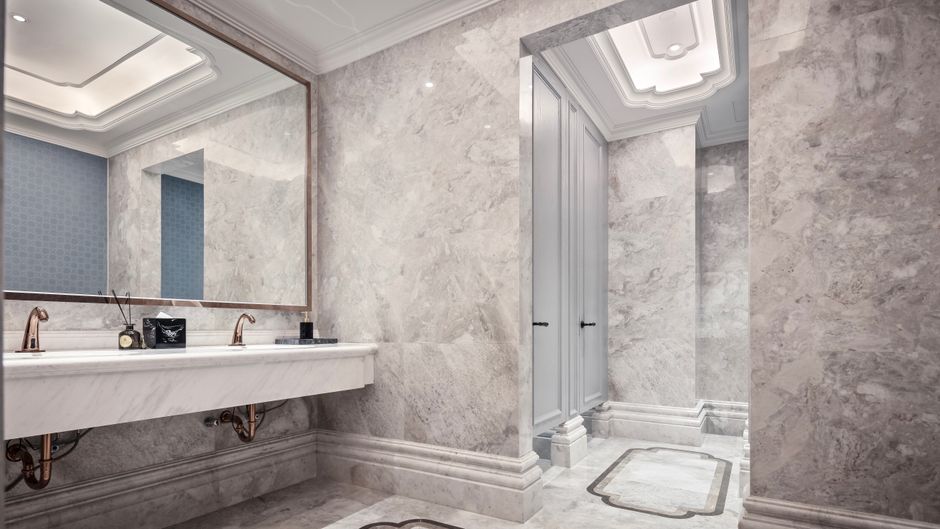
It is rarely the https://www.bendigoadvertiser.com.au/story/9276788/why-australian-homeowners-are-bringing-hotel-style-bathrooms-into-their-homes/ tiles, and it is almost never the size of the room. It is the light. Most Australian homes are lit by a single, aggressive "cool white" downlight positioned directly above the head. It creates deep shadows in your eye sockets, highlights every pore, and drains the warmth from your skin. It is the architectural equivalent of a harsh interrogation lamp.
Hotels don’t just "have" better lighting; they practice intentional lighting. They treat the bathroom not as a utility cupboard for cleaning teeth, but as a wellness sanctuary for the daily ritual. If you want to replicate that atmosphere without tearing down your walls, you need to understand the hierarchy of light.
The Holy Trinity: Ambient, Task, and Accent Lighting
To fix your bathroom lighting, you have to stop thinking about a "light switch" and start thinking about "layers." Even the most beautiful bathroom will feel flat if it relies on one source. You need to balance these three categories:
- Ambient Lighting: The general glow that fills the room. It should be soft and indirect. Task Lighting: The functional light for grooming—shaving, applying makeup, or skincare. This is where your mirror choice is critical. Accent Lighting: The "drama" layer. This highlights texture, like a stone feature wall or a niche for your products.
When you browse resources like the LED Mirror World website, you aren’t just looking for a piece of glass; you are looking for the integration of that "task" layer into a format that provides "ambient" diffusion. The goal is to eliminate the harsh shadow that sits right under the brow bone.
Mirror Task Lighting: Why Placement is Everything
The biggest mistake I see in bathroom design isn’t the fixture choice; it’s the placement. If your light is above the mirror, you are fighting physics. You are casting a downward shadow across your face.
Hotels use side-lit mirrors (or mirrors with integrated diffused LEDs) because they throw light *across* the face rather than *down* on it. Think of it like a professional photographer’s setup: you want the light to wrap around your features, not sharpen the imperfections. When looking at options like those found at LED Mirror World, look for units where the light strip sits flush behind a frosted glass edge. This diffuses the intensity, creating a soft, flattering halo that mimics daylight.
Pro Tip: If you are planning a renovation, never place a downlight directly over the mirror. Push it forward by 30-50cm. If you are retrofitting, ditch the overhead light entirely and move toward a vanity mirror that features built-in LED backlighting.
The Psychology of the Ritual
We often talk about "wellness-focused design" as a buzzword, but in the context of the bathroom, it’s about nervous system regulation. If you start your day at 5:30 AM with a 6000K "cool daylight" bulb hitting your eyes, you are essentially telling your brain that it is high noon. You are shocking your cortisol levels before you’ve even had a coffee.
Luxury is about transitions. A good hotel bathroom uses a "warm white" (around 3000K) to help you ease into your morning. By creating a layered lighting plan, you allow yourself to choose the intensity. In the evening, you should be able to flick off the bright task light and rely on a softer, ambient accent light to signal to your body that it is time to wind down.
The "Small Changes" List: My Showroom Staples
I keep a running list of high-impact, low-effort changes. These are for when you want to improve your space without the soul-crushing cost of a full gut-and-renovate project:
The Kelvin Swap: Change your bulbs to 3000K or 3500K. Anything above 4000K is for a surgical theatre, not your face. Dimmers are Non-Negotiable: If your electrician tells you a bathroom doesn't need a dimmer, find a new electrician. Being able to dim the light while you’re in the bath is the definition of luxury. Mirror Placement: If your mirror is too high, you are getting light on your forehead and shadow on your chin. Your eyes should sit comfortably in the middle of the mirror’s illuminated zone. Reflective Surfaces: If you have a dark bathroom, a mirror with an LED border acts as a secondary light source, bouncing light off your tiles and making the room feel twice as large.A Note on Budgeting and the "Hidden" Reality
I recently read a piece online that attempted to break down the cost of a high-end bathroom renovation. It was frustrating, to say the least. The article included beautiful Shutterstock imagery and discussed "luxury features," but when I clicked through to the linked Bendigo Advertiser subscription/login flow to find the source material or a breakdown of costs, I hit a wall.
The most dangerous thing you can do when planning a bathroom update is to rely on articles that don’t disclose actual pricing. They leave you with a vision but no roadmap. If you aren't ready for a $30,000 renovation, don't let a glossy article convince you that you need one. Focus on the lighting, the tapware finish, and the mirror. You can achieve 80% of the "hotel feel" by spending 20% of the cost if you stop chasing the "complete renovation" myth.
When you are looking at specific products, if you don't see a price, assume it’s a bespoke commission and keep moving. Stick to suppliers who provide transparent, itemised information. If you have to jump through hoops just to see what a mirror costs, you’re likely paying for the brand's marketing budget rather than the quality of the glass.
Lighting Comparison Table
To help you visualise how to layer your bathroom for that hotel aesthetic, I’ve put together this quick-reference guide:
Lighting Type Primary Function Best Placement Kelvin Temp Recommendation Ambient General navigation, relaxation. Ceiling or hidden coving. 2700K - 3000K (Warm) Task Grooming, shaving, makeup. Integrated into/behind the mirror. 3000K - 4000K (Neutral) Accent Highlighting architecture/niche. Under vanity, inside shower niche. 2700K (Warm)Final Thoughts: Don't Over-complicate It
The obsession with technical specs—lumen output, CRI ratings, beam angles—is where most homeowners get lost. You don't need a degree in lighting design to make your bathroom better. You just need to respect the ritual of the space.
Start with the mirror. It is the focal point of your morning and your evening. If you fix the light around your mirror, you solve the biggest "quality of life" issue in the bathroom. Don't fall for the marketing jargon that suggests you need a complete overhaul to feel a difference. Swap the harsh globes, move the light to the side of your face, and dim the room. You’ll be surprised how quickly the "hotel" feeling arrives.
If you find yourself stuck, look for a local showroom rather than just scrolling online stores. Talk to a human. Ask them, "If I change nothing else but my mirror, will this transform the room?" If they say anything other than "yes," they aren't the right consultant for you.