After twelve years in the showroom, I’ve heard it all. I’ve seen homeowners fall in love with a stunning white apron-front sink, only to realize six months later that their cleaning habits—and their water supply—are making that "dream sink" a daily chore. If you are here because you want an eco-friendly kitchen sink, I applaud you. But let’s cut through the marketing fluff. Buying a sink isn’t just an aesthetic choice; it’s a commitment to a material that will interact with your home’s plumbing, your cleaning routine, and your carbon footprint every single day.
Before we dive in, let me ask the question I ask every single client: Do you have hard water? If you do, we need to have a very serious conversation about enamel sinks. If you’re already shopping on our site, you’ve likely seen our images hosted via cdn.shopify.com. They look perfect, don't they? But that finish requires work. If you choose based solely on looks without considering your water chemistry, you’re setting yourself up for disappointment.
Is a "Recycled Stainless Sink" Really a Thing?
The short answer is yes, and it’s one of the best sustainable choices you can make. Stainless steel is infinitely recyclable. When you purchase a high-quality recycled stainless sink, you are often buying a product that contains a significant percentage of post-industrial scrap metal. Companies like Elkay have been pioneers in sustainable manufacturing, optimizing their processes to reduce water usage and energy consumption during the forming of these sinks.
However, "eco-friendly" isn't just about the manufacturing process; it’s about the lifespan. A cheap, thin stainless sink will end up in a landfill in five years. A high-gauge, high-quality stainless sink will last for decades. That, my friends, is true sustainability.
The Maintenance Reality Check
I hate it when people pretend every material is "easy maintenance." It isn't. Let's look at the trade-offs.
Material Eco-Friendliness Maintenance Reality Hard Water Impact Recycled Stainless High Shows water spots, scratches Minimal (wipes clean) Fireclay/Enamel Medium Prone to chips and stains High (scale buildup) Copper High (Natural) Develops patina, reacts to acids Medium
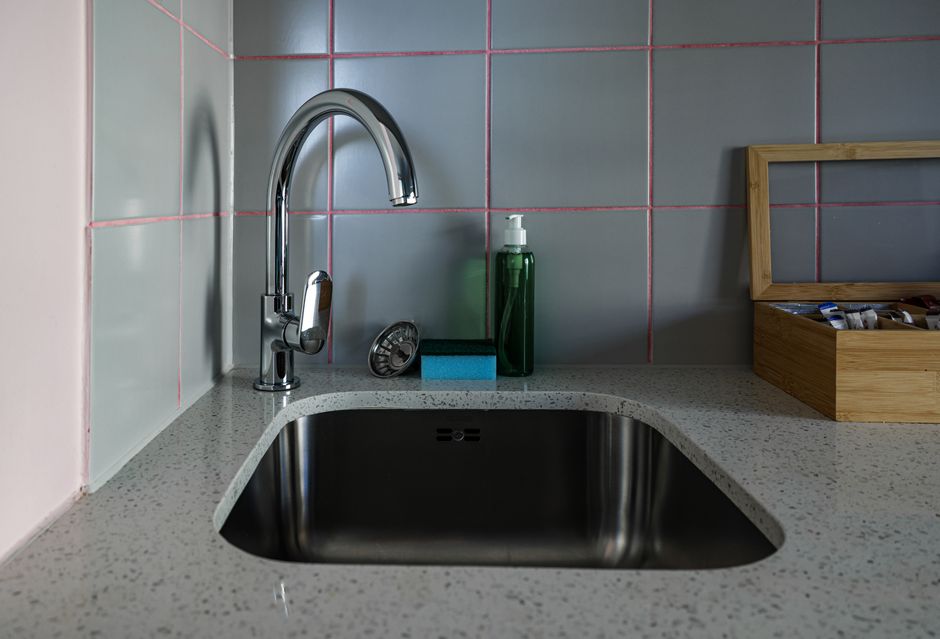
If you have hard water, enamel sinks are a magnet for scale. You will be scrubbing minerals off your sink daily. Stainless steel is far more forgiving, provided you accept that it will develop a "patina" of fine scratches over time. In my opinion, that’s not a functional issue—it’s an aesthetic one. If you want a mirror-finish sink that stays pristine forever, you’re in for a rude awakening.
The Cabinet Size Check (Read This Twice!)
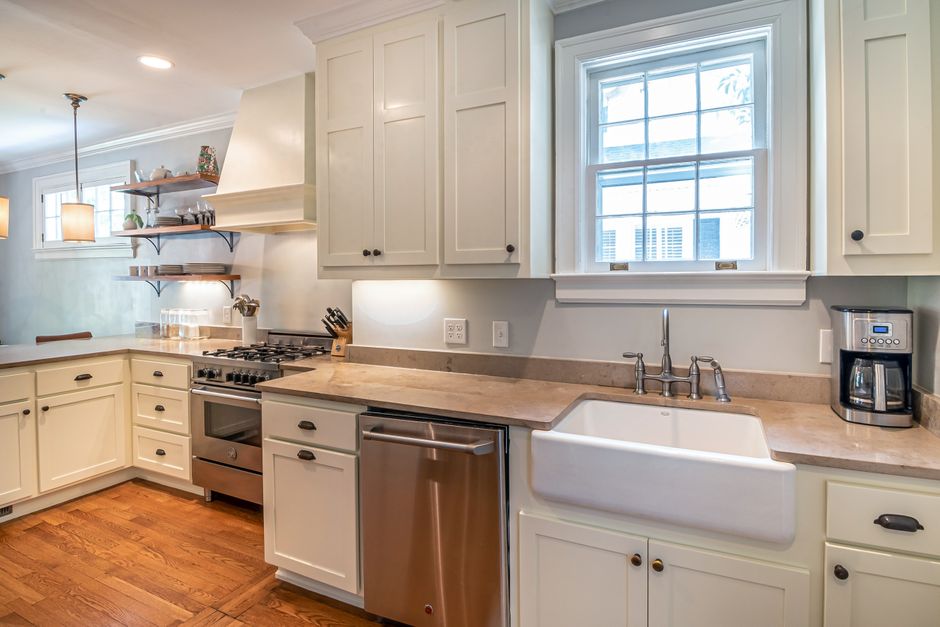
I am going to repeat this because returns are a massive headache for everyone involved: Measure your cabinet base. I cannot tell you how many times I’ve had a customer fall in love with a 33-inch apron-front sink only to realize their sink base cabinet is also 33 inches. You need at least a 3-inch margin to account for the cabinet walls. If you don't double-check your measurements, the "eco-friendly" choice becomes a "waste of shipping fuel" choice. Don't be that person.
Installed Cost Ranges
Stop looking for "vague pricing." You need to know what you’re actually paying. Here is the realistic installed price range (including labor and potential plumbing adjustments) for high-quality sustainable sinks:
- Recycled Stainless Steel: $800 – $1,800 installed. Fireclay Apron-Front: $1,200 – $2,500 installed. Hand-Hammered Copper: $1,500 – $3,500 installed.
We do offer financing offered options on our site to help bridge the gap between "budget" and "quality." It is almost always better to finance a high-quality, long-lasting sink than to buy a cheap one that needs replacing in three years.
Farmhouse Style and Sustainable Finishes
The farmhouse aesthetic is booming, and for good reason—it’s timeless. If you want that apron-front look but want to keep it eco-conscious, look for farmhousekitchenandbath fireclay produced with natural minerals or recycled stainless models with a brushed finish. A brushed finish is far better at hiding daily wear and tear than a high-polish finish. It ages gracefully, which is the hallmark of a truly sustainable fixture.
Frequently Asked Questions
Why does my sink have water spots?
If you have a stainless sink and see spots, you have hard water. It’s not the sink; it’s your chemistry. Wipe it dry after use. It takes five seconds.
Is copper an eco-friendly choice?
Copper is naturally antimicrobial and can be recycled indefinitely. It’s a fantastic choice, provided you are okay with the "living finish." It changes color. If you want it to look the same on day 1,000 as it did on day one, do not buy copper.
How do I know if the sink will fit my cabinet?
If you are confused, reach out to us. We have 24/7 via chat support specifically for these "I think I measured right but I'm terrified" moments. Use it. It’s there so you don’t end up with a 36-inch sink in a 30-inch cabinet.
Final Thoughts
Sustainability isn't about buying a specific brand; it’s about buying the right product once. Don't chase the trend. If you have a busy family, high traffic, and hard water, a heavy-gauge recycled stainless steel sink is your best friend. If you have the patience to maintain a fireclay or copper piece, they are heirloom-quality additions to your kitchen. Just be honest with yourself about your habits, check your cabinet size, and call us if you have doubts. We're here to make sure your remodel isn't a return-filled disaster.