Travel, whether for leisure or wellness, often hinges on a good night’s sleep. Yet the slightest discomfort — a room that's too warm, a rogue draft, or persistent noise from a noisy air con unit — can derail rest and recovery. For wellness travellers who prioritise genuine rest over clichéd spa claims, temperature control in a hotel room is paramount. Understanding which room features truly aid in temperature regulation at night helps you book smarter and sleep deeper.
Why Temperature Control Matters for Wellness Travel
Wellness travel is often mistaken for spa-centric holidays with fluffy robes and endless massages. But real wellness travel puts your body's rhythms and needs first — especially sleep quality. Night-time temperature significantly affects sleep cycles. Most sleep experts recommend a room temperature between 15°C and 19°C for optimal rest.
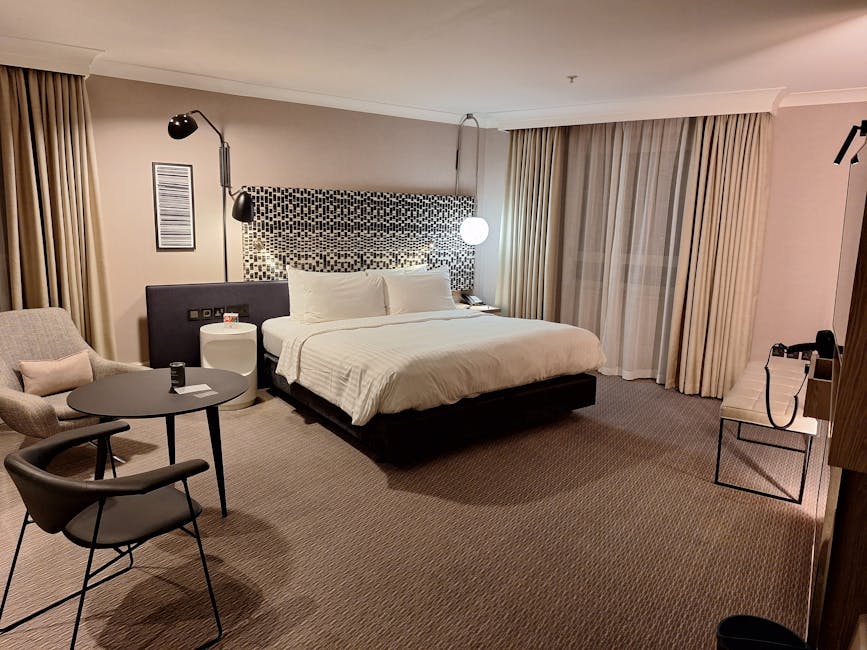
Uncomfortable heat or cold can fragment sleep, increase awakenings, and reduce time spent in deep sleep phases essential for recovery. When combined with other travel stresses, even minor sleep disruptions can spiral into full fatigue and impact your wellbeing and enjoyment of your trip.
Wellness Travel Without Spa Clichés
If your hotel touts itself as a wellness retreat, but its rooms only offer basic fans or rarely accessible central heating, it’s worth questioning its sleep credentials. Wellness travel leaders understand that temperature control is not about spa facilities but about creating restful environments.
Many hotels still opt for generic “spa” marketing to appeal to wellness seekers but neglect real in-room comfort features. This includes flexible air conditioning units or intuitive thermostats that let guests set their precise preferred temperature — rather than fixed, noisy systems that can disturb sleep.
Key Hotel Room Features That Help Regulate Temperature
Not all hotel rooms are created equal when it comes to temperature control. Here’s what to look for:

- Room Thermostat with Precise Controls: Being able to dial in your preferred temperature, ideally with responsive controls (digital or good-quality analog dials), is essential. Beware of shared or centralized air con systems that guests can’t adjust individually. Air Conditioning (Air Con) Controls: Modern air con units should have quiet operation modes and individual room control. Clunky, noisy units in older hotels can ruin sleep, regardless of cooling capacity. Heating Options: Hotels in cooler climates or seasons should offer adjustable heating, preferably via thermostatic radiator valves or quiet, safe electric heaters. Blackout Curtains and Window Seals: Good insulation doesn’t just keep noise out; well-fitted blackout curtains and sealed windows help maintain stable temperatures overnight. Ventilation Options: Access to fresh air, such as windows that can be safely opened, or mechanical ventilation systems that don’t let in noise or drafts, can provide natural temperature regulation. Ceiling or Stand Fans: In some climates, fans on a low setting can promote airflow, aiding heat dispersal without creating discomfort from direct blasts.
Why A Precise Room Thermostat Makes All the Difference
Many hotel rooms still operate on fixed “set-and-forget” HVAC systems where guests have little to no control over temperature. Imagine arriving exhausted after a long journey only to find the room stifling and sticky, with no ability to turn air conditioning down a notch or switch on a gentle fan.
A room thermostat lets you fine-tune your environment to those precious sleep temperature tips recommended by experts. It’s a small feature but one that significantly impacts comfort.
Practical Sleep Temperature Tips for Hotel Rooms
Pre-set Your Temperature Before Bed: Adjust the thermostat about an hour before going to sleep so the room reaches your ideal temperature. Use Layered Bedding: Even if the room temperature fluctuates, having layers means you can adjust your comfort without fiddling with the room controls in bed. Minimise Noise From Air Con: If the AC unit hums too loudly, try white noise apps or ear plugs but aim for quieter units when booking. Close Windows and Doors: To maintain stable room temps, keep external doors and windows shut at night, especially when using air con or heating. Bring Blackout Tape: It might sound odd, but tiny rolls of blackout tape can block out small lights or vents producing unwanted heat or light disturbances.Booking Strategy: The Three-Night Minimum and Energy-First Itinerary Planning
When planning wellness travel focused on quality rest, consider booking a minimum of three nights at the same hotel. Here’s why:
- Acclimatisation: Your body needs time to adjust to a new environment, time zone, and sleep setting without rushed itinerary demands. Room Comfort Calibration: You get early nights to test and tweak your room thermostat and air con controls or request room changes based on temperature comfort. Reduced Packing Hassles: Staying put longer means fewer transitions to noisy or temperature-challenged rooms.
Energy-First Itinerary Planning
Plan one “anchor” booking or activity per day — an event or visit with a set time that structures your day but doesn’t overbook you. This approach helps you return to a comfortable, temperature-controlled room for restorative sleep without the stress of squeezing in multiple activities.
For example, set a midday museum visit, allowing for a relaxed morning and restful evening. Avoid back-to-back early starts on day one, which often clash with jet lag and can lead to temperature sensitivity—a room that feels fine in the afternoon might get unbearable overnight.
Supporting Medical Needs and Temperature Sensitivity: Documentation & Planning
Sometimes, temperature sensitivity is not just a comfort issue—it ties into medical prescriptions or conditions, such as medications that affect body temperature regulation or require controlled environments. In such cases, professionalism and foresight matter:
- Clinician Letter for Prescribed Medication: Always obtain a clinician’s letter detailing any temperature-related medication or sensitivity well ahead of travel. This documentation supports airport, hotel, and transportation accommodation requests. Documentation Requests to Private Providers Made Well Before Travel: Request documentation from private healthcare providers early, ideally weeks before your trip. Last-minute paperwork doesn’t just stress you but limits your options for securing accessible and comfortable room features.
Communicate your needs about air con controls and room thermostat preferences to hotel staff prior to arrival. Some hotels can prepare specialised rooms or adjust housekeeping regimes to minimise disruption to these sensitive settings.
Summary Table: Room Features vs. Benefits for Temperature Control at Night
Room Feature Benefit for Temperature Control Guest Impact Precise Digital or Analog Room Thermostat Allows fine-tuning of temperature to sleep ideal Improved comfort, better sleep quality Individual Air Con Controls Adjust cooling with quiet, responsive operation Reduces noise disturbance and temperature swings Adjustable Heating (Thermostatic Radiator / Electric) Warm room to preferred heat without overrun Maintains comfort in cooler weather without noise Blackout Curtains & Window Seals Improves insulation and blocks heat/light leaks Stabilises room temperature & minimises disruptions Ventilation Options (Windows/Fans) Provides airflow to reduce stuffiness Prevents overheating, enhances fresh air accessFinal Thoughts
Choosing a hotel room with thoughtful, effective temperature control features transforms rest into genuine restoration. For wellness travellers, skip the empty spa buzzwords and focus on what truly matters in your room: quiet, precise, and flexible air con controls; a room thermostat you can trust; and the option https://timeandleisure.co.uk/promotions/how-to-travel-well/ for natural ventilation without compromising security or comfort.
Plan trips with a three-night minimum stay to acclimatise and tune your environment. Prioritise energy-first itinerary planning by setting one key activity per day to preserve energy and adapt well. And, if you have medical needs linked to temperature sensitivity, proactively secure clinician letters and documentation well before travel to ease requests and avoid last-minute stress.
With these tips, you can book rooms that not only look great but let you sleep soundly, ready to embrace the best your destination offers.