I spent twelve years crawling through attics in Tampa Bay and SE Florida, from the sweltering heat of August to the post-hurricane assessment scramble. If there is one thing I’ve learned, it’s that the "big" headlines go to hurricanes, but the real silent killer of Florida roofing systems is the 3:00 PM afternoon thunderstorm cycle. Every. Single. Day.
When you live in Florida, you aren't just dealing with UV degradation; you are dealing with a relentless hydration-dehydration cycle. That daily afternoon soak followed by a baking sun—this is what wrecks a roof. If you think your home is safe because we haven’t had a major landfalling hurricane recently, you are missing the bigger picture of repeated saturation roof damage.
The El Niño Trade-off: More Water, Less Wind
During an El Niño pattern, we often hear that the risk of major hurricane landfalls decreases. Homeowners take a collective sigh of relief. However, as a former inspector, I tell you: don't let your guard down. El Niño typically brings a more active, wetter spring and summer.
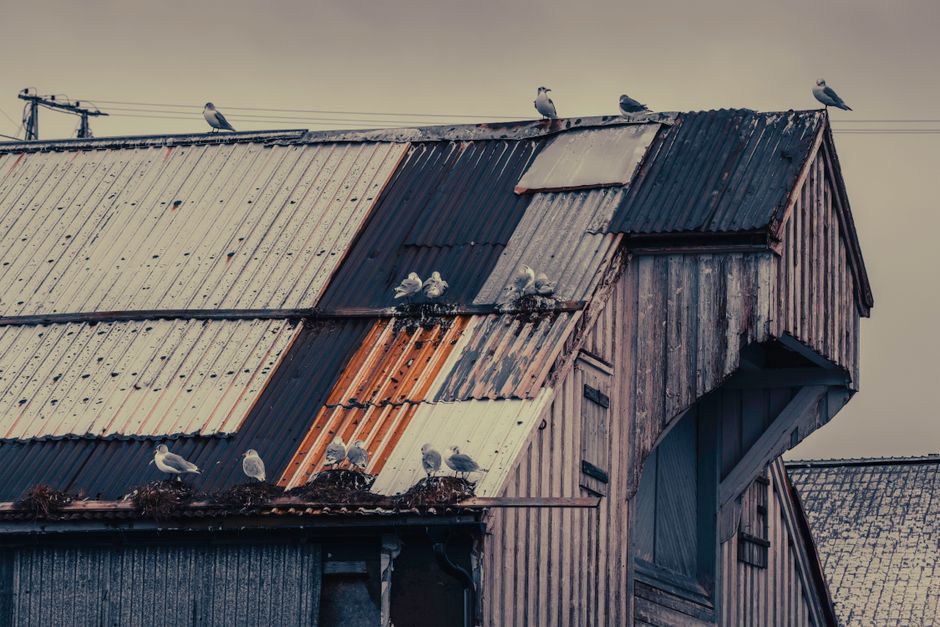
While the wind speed might not be tearing shingles off in sheets, the frequent downpours leaks are finding every tiny vulnerability you didn't know you had. A hurricane is a sprint; the daily afternoon thunderstorm season is a marathon. That constant moisture creates a environment where mold, rot, and material fatigue accelerate at a pace that surprises even long-term residents.

How Small Gaps Become Leaks
It starts with a nail pop, a cracked rubber boot around a plumbing vent, or a piece of loose flashing. During the dry season, these seem like non-issues. But when the daily rains begin, the "seepage" begins.
In Florida, water doesn't just sit; it migrates. By the time you see a brown spot on your ceiling, that water has likely been traveling across your roof deck for weeks. We call these "slow leaks." Because the roof never fully dries out between the daily soakings, the wood decking—usually plywood or OSB—begins to swell, delaminate, and eventually rot.. (my cat just knocked over my water)
The "Repeated Saturation" Cycle
- Day 1-3: Moisture collects in a small gap. The decking absorbs it. Day 4-7: The afternoon heat causes rapid evaporation, which can lead to condensation inside the attic if ventilation is poor. Day 8-14: The cycle continues. The moisture never fully exits the building materials. The Result: Structural decay of the roof deck and potential mold growth in the insulation.
Florida Roof Aging: The 15, 20, 25-Year Thresholds
Florida is the most aggressive environment for roofing materials in the https://melissafreshmaid.com/what-are-the-first-inside-the-house-signs-of-a-roof-leak-a-veteran-inspectors-guide/ country. We have high salt content, extreme UV exposure, and the aforementioned rain cycles. Knowing your roof's age is critical to understanding your risk level.
Roof Age Risk Level Key Concern 0-15 Years Low Minor flashing issues, nail pops, or poor installation. 15-20 Years Moderate Granule loss, brittle shingles, failing underlayment. 20-25+ Years Critical Full-scale saturation risk; insurance eligibility threshold.If your roof is over 15 years old, those small gaps become leaks much faster than they would on a newer system. The sealants used around your chimney, vents, and valleys have likely reached their service life. Once those seals break, the daily afternoon rains act like a pressure washer, forcing water deep into the roof structure.
Insurance Eligibility and Protecting Your Wallet
This is where homeowners often get "burned." You see a small leak, you call a "contractor" who knocks on your door after a storm, and they promise a full roof replacement on the house's insurance dime. Be extremely cautious. If the contractor isn't reputable, they may cut corners, use inferior underlayment, or fail to pull permits.
1. Check Their Credentials (The DBPR Lookup)
Before you let anyone on your roof, verify their license. Florida requires contractors to be licensed through the Department of Business and Professional Regulation. Go to the Florida DBPR License Lookup and verify that the person you are talking to is actually licensed to perform roofing work in Florida. If they aren't, show them the door.
2. Know Your Carrier's Rules
If you are insured through Citizens Property Insurance, your roof's age is a massive factor in your policy renewal. Citizens' eligibility guidance page outlines exactly when they require a roof replacement. One client recently told me made a mistake that cost them thousands.. Pretty simple.. If you ignore the signs of wear until your roof hits the 20-25 year mark, you may find yourself struggling to get insurance coverage at all, let alone having a claim approved.
Proactive Maintenance: The Florida Way
You cannot stop the rain, but you can stop the damage. Here is what I recommend for every Florida homeowner:
Annual Inspections: Do not wait for a leak. Hire a licensed, reputable inspector (not a contractor trying to sell a roof) to perform an annual roof check. Clear Your Vents: Ensure your attic ventilation is working correctly. It is the only thing standing between you and the moisture trapped by daily thunderstorms. Check the Flashing: If you are over the 15-year mark, have a professional specifically check the transition points (valleys, chimneys, and pipe boots). These are the most common failure points. Documentation: Keep photos of your roof condition in the dry season. If a storm does hit, you have a baseline to show what "pre-existing" looked like versus what the storm actually caused.Final Thoughts
The afternoon thunderstorm is as much a part of Florida as palm trees and traffic. It’s not going away. If you stop viewing your roof as a "set it and forget it" component and start Visit website viewing it as a system that requires regular maintenance—especially as it hits those 15, 20, and 25-year benchmarks—you’ll avoid the panic of a major leak and the predatory tactics of storm-chasing contractors. Protect your home by staying informed, verifying your hires, and taking action before the clouds turn dark every afternoon.