After a decade of coordinating office fit-outs—from the frantic, dust-filled chaos of the initial shell-and-core phase to the final, high-pressure punch-list walk-through—I have learned one universal truth: Interior design is not the "prettying up" phase; it is the final act of a structural performance.
Too many clients treat the architect as a shell-builder and the interior designer as a decorator. This disconnect is exactly where projects go sideways, budget overruns explode, and "modern" office concepts become claustrophobic cubicle farms. Before you pick a paint swatch, you need to understand the bones of your building. Whether you are looking at the cutting-edge campus designs featured in the Rethinking The Future Awards 2026 or analyzing the spatial case studies on Eduwik, the best results always start with a rigorous interrogation of the floor plan.
Before your interior designer starts selecting fabrics, sit down with your architect and ask the hard questions. Here is how you ensure your space doesn’t just look good, but actually works.

1. The "Daylight First" Audit: Where Does the Sun Actually Go?
I have lost count of how many clients spend thousands on "daylight-responsive lighting systems" only to realize they’ve placed the breakout lounge in a corner that never sees the sun. Before we talk about color palettes, we talk about solar orientation.
The Question: "Can you show me a sun-path study for this floor plate, and how does the existing fenestration dictate our desk layout?"
If you aren’t mapping your primary work zones to your light source, you’re just paying for electricity you don’t need. When giants like Google or Apple design their headquarters, the window placement isn't a byproduct of the aesthetic—it’s the driver of the interior layout. If your architect can’t articulate why a desk should be placed where it is relative to the windows, you are setting yourself up for glare-induced headaches and unnecessary energy costs.
2. Structural Constraints vs. "Flexible" Open Plans
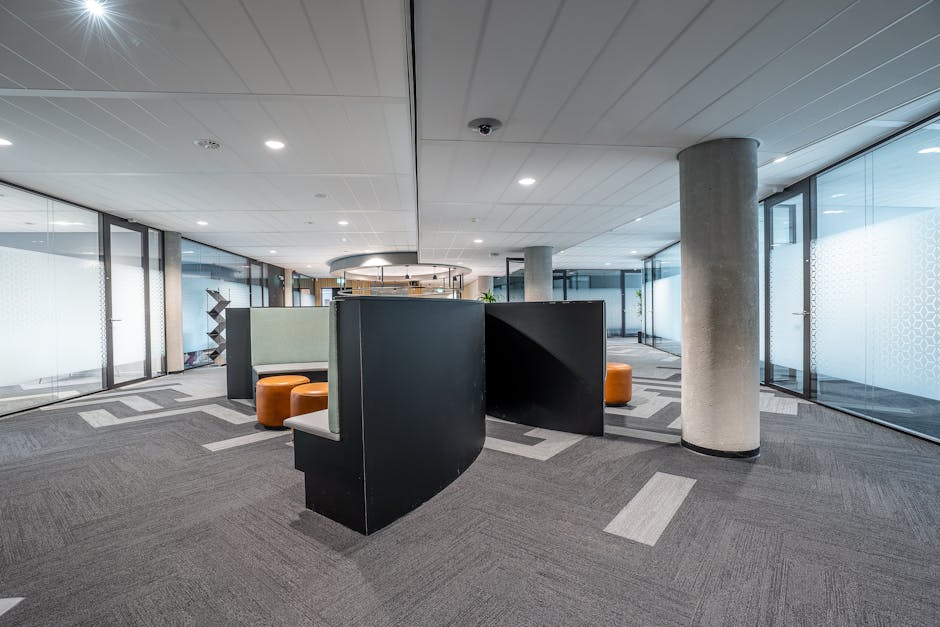
There is a dangerous trend in commercial design that promises "total flexibility." Be wary. I’ve seen many a client https://smoothdecorator.com/the-anatomy-of-an-office-how-structural-planning-defines-success/ demand an open-plan layout that ignores the reality of structural columns. If you try to force a row of desks through a primary column line, you end up with awkward, unusable "dead" space that looks like an afterthought.
The Question: "What are the structural constraints—columns, load-bearing walls, and floor-to-ceiling heights—that limit our furniture orientation?"
Small Layout Fixes That Save Big Money Later
Issue The Fix Financial Impact Ignoring column placement Use columns as anchors for acoustic panels or power hubs. Avoids re-routing complex floor ductwork. Vague "Modern" aesthetic Define specific acoustic/privacy requirements first. Prevents expensive "add-on" glass partitions. Standard ceiling heights Expose the ceiling; use high-performance lighting. Reduces cost of drop-ceiling materials.3. Functional Zoning: Noise, Privacy, and Performance
When someone tells me they want to "make it modern," I ask them: "Does that mean glass walls that create a fishbowl effect, or does it mean thoughtful acoustic zoning?" Microsoft, for all their technological prowess, understands that productivity doesn't come from an "open office"—it comes from being able to focus.
The Question: "Where are the acoustic transitions? How do we prevent the noise of the cafe from bleeding into the deep-work pods?"
You cannot solve noise problems with pretty felt wall tiles. You solve them by asking your architect to define zones during the structural planning phase. If your silent zone is structurally adjacent to your social zone, you are doomed. Ensure the architect has accounted for floor-to-slab partitions, rather than just relying on cheap, acoustic-leaking partitions that stop at the drop-ceiling level.
4. The Window and Ceiling Plan: The Unsung Heroes
I have sat in meetings where the lighting team arrived three weeks after the interior designer finalized the ceiling layout, only to realize the HVAC ducts were exactly where the pendant lights needed to hang. It is a https://sophiasparklemaids.com/beyond-the-modern-buzzword-mastering-meeting-room-design/ disaster. Demand a coordinated RCP (Reflected Ceiling Plan).
The Question: "Is the ceiling plan fully coordinated with the MEP (Mechanical, Electrical, and Plumbing) strategy, and how do we ensure the window headers allow for maximum light penetration without creating hot spots?"
If the architect hasn't synced the window and ceiling plan, your interior designer will inevitably have to sacrifice design intent to make room for a giant, ugly return air duct. Don't let your project fall into that trap.
5. Materials that Survive the "High-Traffic" Reality
Trendy materials are the bane of my existence. I love the look of light-colored, porous stone or high-maintenance specialty wood veneers as much as the next designer, but in a 200-person office, they will be ruined in six months. Architects often design for the "glossy magazine" moment; you need to design for the "coffee-spilled-on-the-desk" reality.
The Question: "Which materials in this design have a proven track record for high-traffic commercial durability, and what is the maintenance cycle?"
If they suggest a material that "needs to be babied," reject it. If they can’t justify the durability of the finishes, you aren’t buying design; you’re buying a future maintenance nightmare.
Checklist: Your Pre-Design "Interview" with the Architect
The "Why" Test: Whenever the architect uses vague terms like "modern," "organic," or "synergistic," ask them to define those in terms of spatial function. What does "modern" actually do for your workflow? The Structural Constraint Map: Ask for a plan that highlights every column, beam depth, and utility riser. If these aren't on the drawing, you don't have a plan; you have a fantasy. The MEP Overlay: Ask if the interior layout has been checked against the HVAC and electrical load requirements. If the designer moves a wall, does the air intake move with it? The Lighting Logic: Ask them to explain the lighting strategy based on the time of day, not just the mood.Final Thoughts
Architecture is the stage; interior design is the play. If you build a bad stage, even the best actors—or in this case, the best furniture, lighting, and interior designers—won't be able to save the performance.
By asking these questions, you transition from being a passive recipient of a design to an active stakeholder in the building’s performance. Stop looking at paint samples until you know where the light comes from, where the sound travels, and how your staff will actually move through the space. That is how you deliver a project that doesn’t just look like it belongs in the Rethinking The Future Awards—it’s how you build a space that actually lasts.
Now, go grab your floor plan, find the structural columns, and ask the hard questions. Your future, less-stressed self will thank you when the punch-list walk-through comes around.